
Thailand Travel Guide
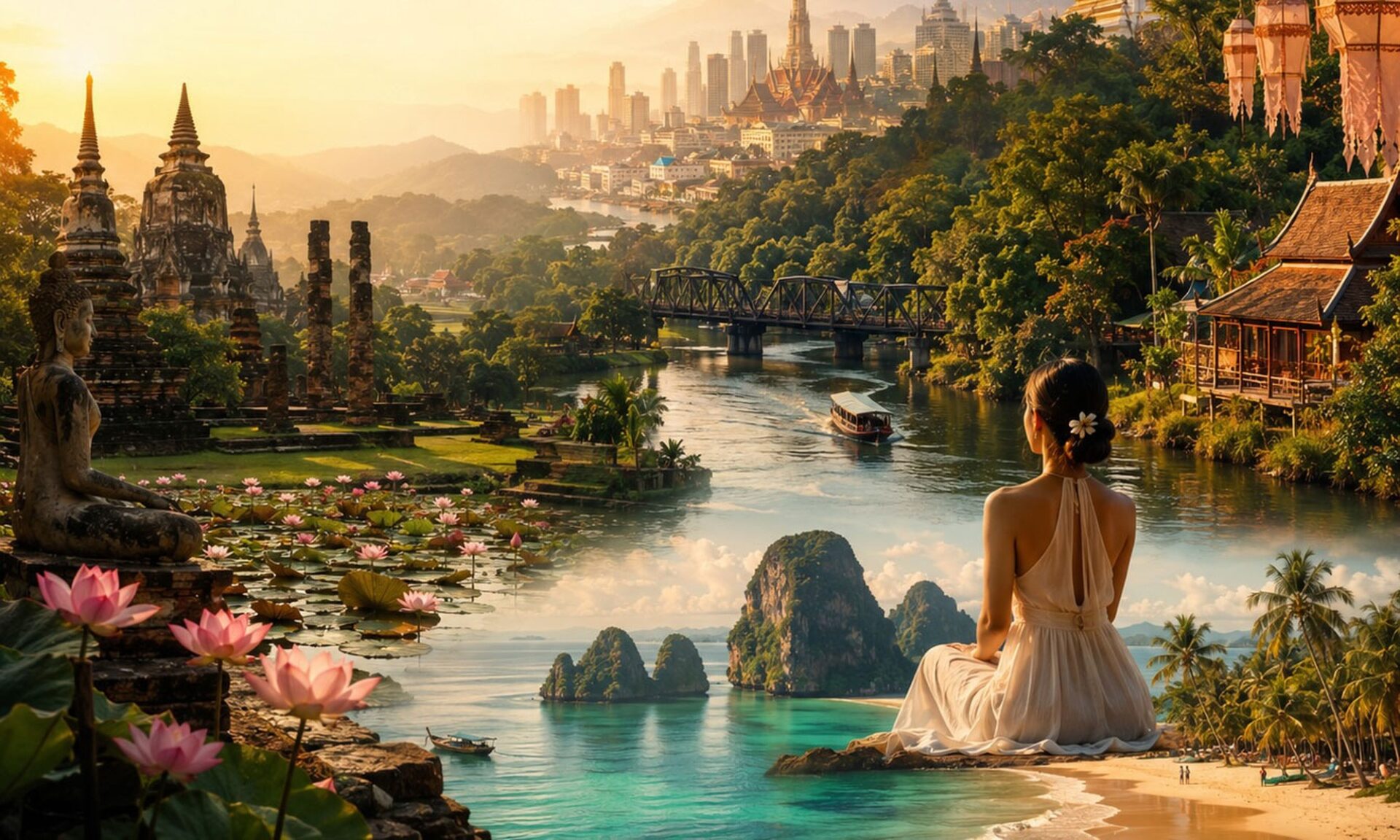
Thailand is, in every sense, the Land of Smiles — a country where golden temples rise above morning mist, jungle rivers flow through quiet valleys, street food fills the evening air with fragrance, and island horizons turn slowly from turquoise to gold.
For travellers, Thailand is more than a single destination. It is a journey through many different worlds: Bangkok’s vibrant city energy, the River Kwai’s natural wilderness, Sukhothai’s ancient heritage, Northern Thailand’s Lanna culture, Hua Hin’s royal seaside charm, and the quiet island beauty of Koh Yao Noi, Koh Samui and Koh Chang.
Thailand is also one of Southeast Asia’s most distinctive cultural nations. It is widely recognised as the only country in the region that was never formally colonised by a Western power. This long continuity has helped preserve a living culture shaped by Buddhism, monarchy, regional identity, craftsmanship, cuisine and hospitality.
For SERENATA Hotels & Resorts Group, Thailand is home. Our boutique collection connects travellers to some of the Kingdom’s most memorable landscapes and cultural destinations — not simply as places to stay, but as gateways to meaningful journeys.
This Thailand travel guide is designed to help you understand where to go, when to visit, what to experience, and how to plan a journey that goes beyond the ordinary.
Thailand at a Glance
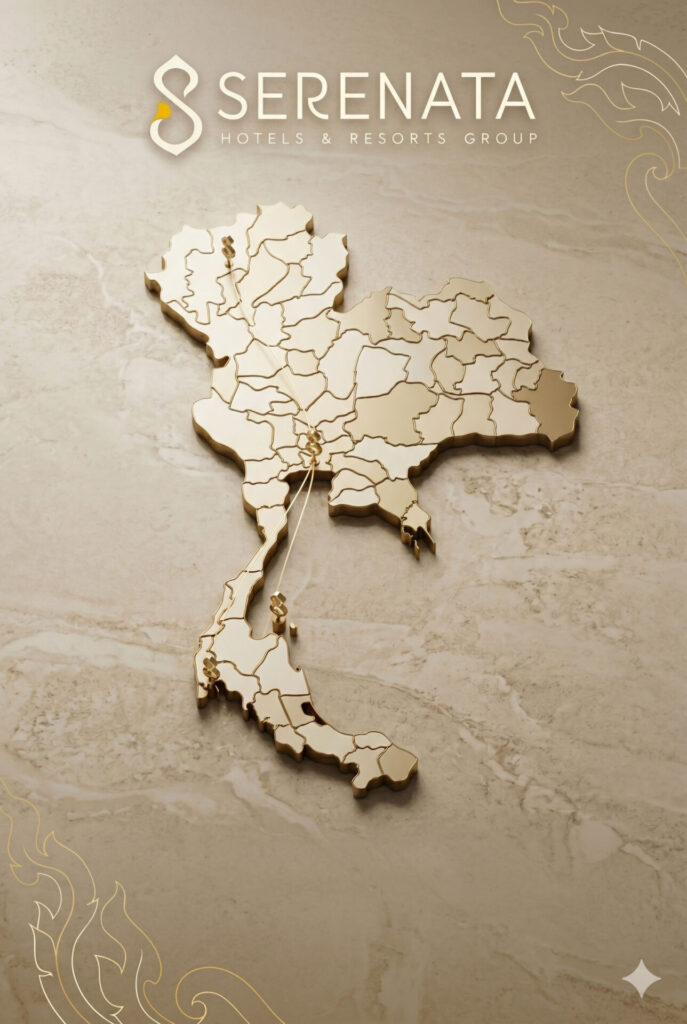
Official name: Kingdom of Thailand
Thai name: ราชอาณาจักรไทย
Former name: Siam, officially changed to Thailand in 1939
Capital: Bangkok, officially known in Thai as Krung Thep Maha Nakhon
Area: Approximately 513,115 square kilometres — slightly smaller than France and about three-quarters the size of Texas
Population: Around 72 million people
Government: Constitutional monarchy
Religion: Predominantly Theravada Buddhist, with Muslim, Christian and other communities
Language: Thai. English is widely used in hotels, tourism, business districts and major cities
Currency: Thai Baht (THB)
Time zone: GMT+7, with no daylight saving time
Electricity: 220V / 50Hz. Universal travel adaptors are recommended
Emergency numbers: 191 for police, 1155 for Tourist Police, and 1669 for medical emergency services
Tourism is one of Thailand’s most important economic sectors, supporting hotels, restaurants, transport, local communities, wellness businesses and cultural attractions nationwide. The country has welcomed tens of millions of international visitors in recent years, reflecting its strong global appeal as a destination for culture, nature, food, wellness and beach holidays.
When Is the Best Time to Visit Thailand?
The best time to visit Thailand is generally from November to February, when the weather is cooler, humidity is lower and skies are clearer in many regions. This is the most comfortable season for Bangkok, Northern Thailand, Kanchanaburi, Sukhothai, Hua Hin and many island destinations.
Cool Season: November to February
This is widely considered the best time to visit most of Thailand. Temperatures are more comfortable, outdoor sightseeing is easier, and the weather is generally pleasant for temples, markets, nature activities and beach escapes.
Best for: First-time visitors, families, cultural travel, city stays, River Kwai trips, Northern Thailand and beach holidays
Travel note: This is also peak season, so advance booking is strongly recommended.
Hot Season: March to June
Thailand’s hot season brings higher temperatures, especially in Bangkok and the central plains. However, this period can still be rewarding for travellers who enjoy fewer crowds, bright landscapes and strong value in selected destinations.
Best for: Resort stays, pool villas, island escapes, wellness breaks and travellers comfortable with tropical heat
Travel note: April includes Songkran, Thailand’s famous water festival and Thai New Year celebration.
Green Season: July to October
The rainy season, often called the green season, brings refreshing monsoon showers, lush countryside, flowing waterfalls and fewer crowds. Rain often comes in short afternoon or evening bursts rather than all-day downpours, although patterns vary by region.
Best for: Kanchanaburi waterfalls, lush mountain scenery, quieter cultural travel, value-focused resort stays
Travel note: Waterproof footwear, flexible itineraries and light rain jackets are helpful.
Island Weather Note
Thailand’s islands do not all share the same rainy season. The Andaman Sea side, including Phuket and Krabi, is usually wetter from May to October. Gulf of Thailand islands such as Koh Samui often have a later rainy period, commonly around October to December. Always check local seasonal conditions before finalising island travel.
Best Places to Visit in Thailand
Thailand offers a rare diversity of destinations within one country. A single journey can combine city culture, ancient heritage, riverside nature, mountains, royal beaches and island retreats.
Bangkok: The City That Captivates
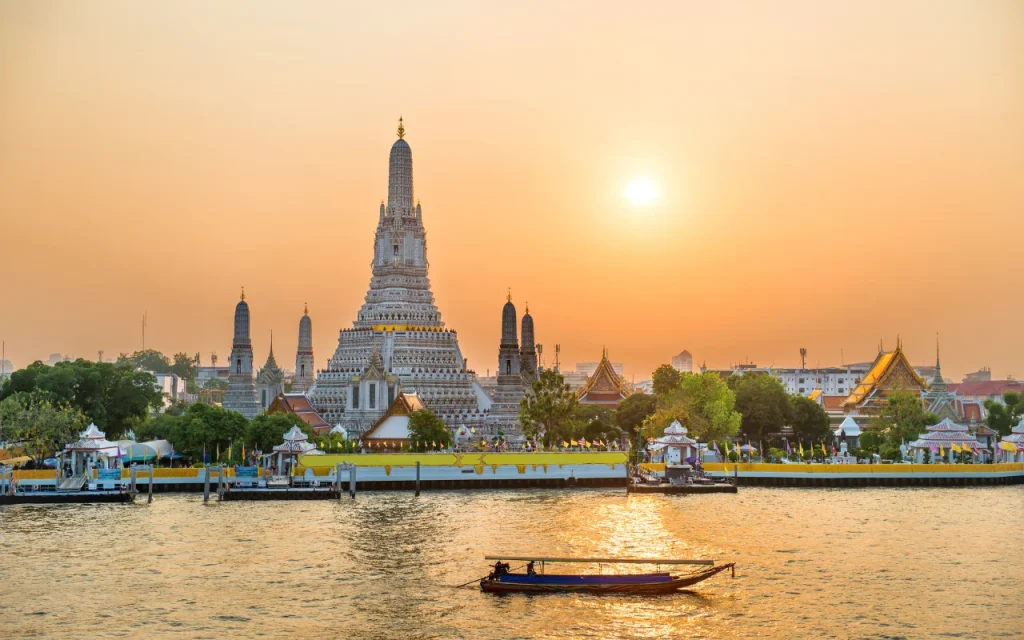
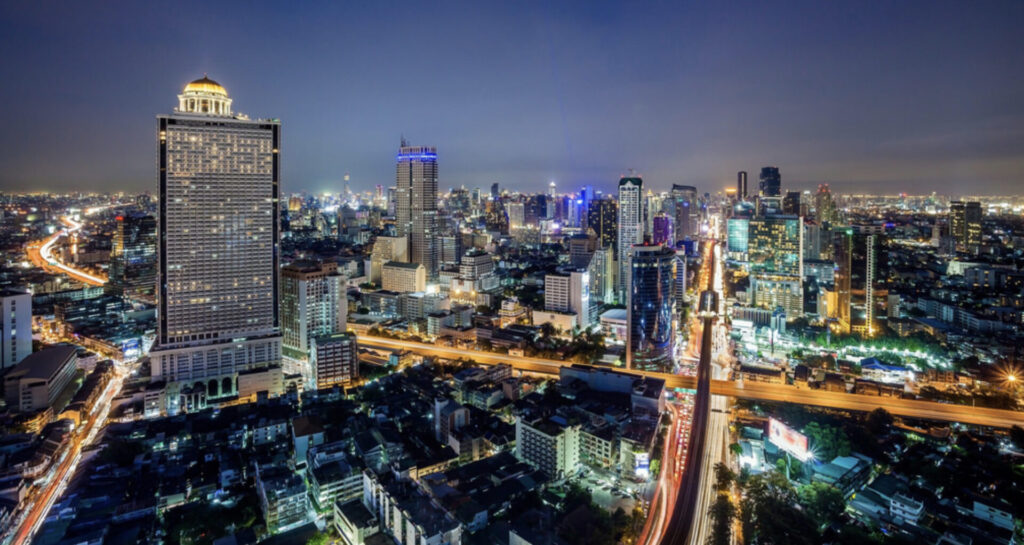
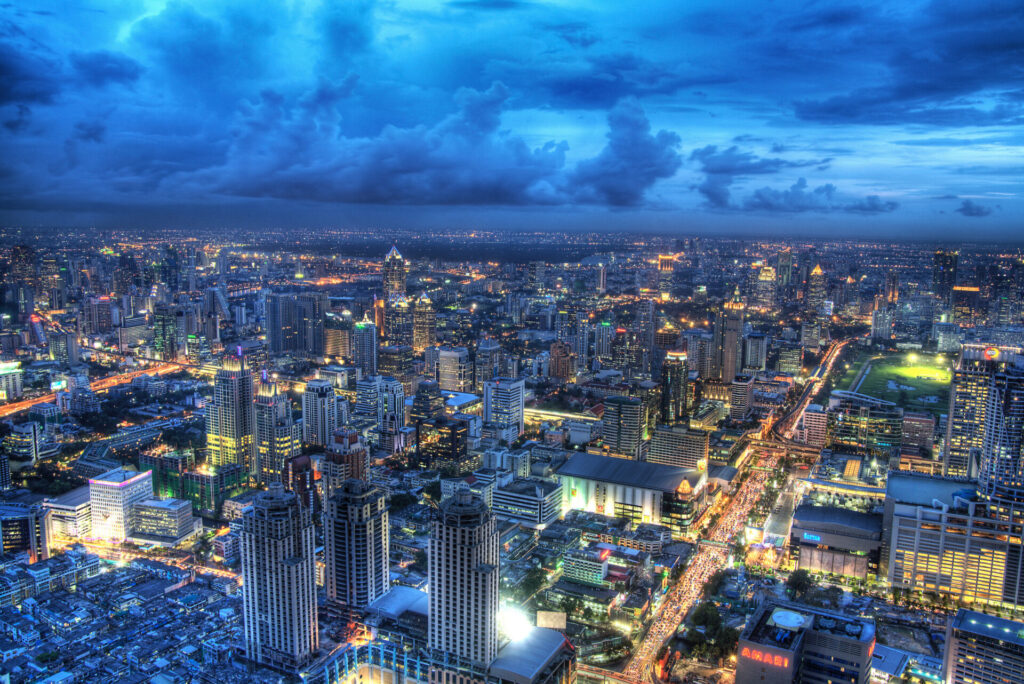
Bangkok is where many Thailand journeys begin. The capital is energetic, layered and constantly evolving — a city where royal temples, river life, creative neighbourhoods, luxury malls, street food and rooftop dining all exist side by side.
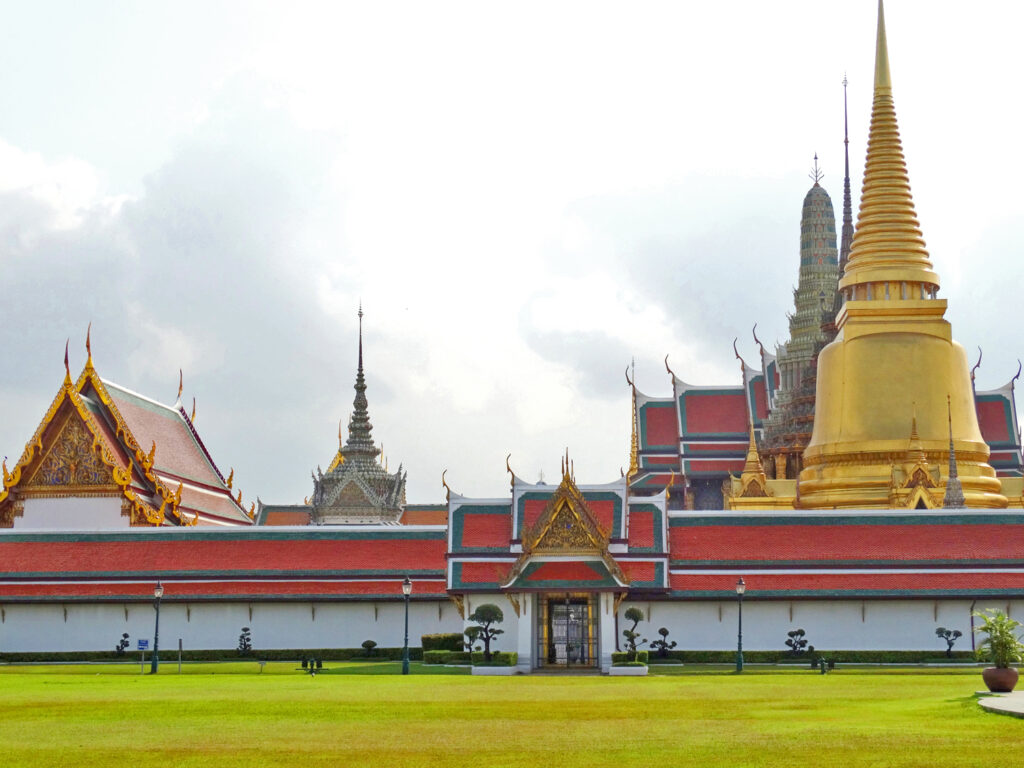
The city’s essential landmarks include the Grand Palace, Wat Phra Kaew, Wat Arun, Chinatown, the Chao Phraya River, Chatuchak Weekend Market and the shopping districts around Siam, Ratchaprasong and Sukhumvit. Yet Bangkok’s real charm often lies between the landmarks: a small noodle shop, a riverside café, a quiet shrine, a local market or a hidden boutique gallery.
Bangkok at a Glance
Best for: First-time visitors, food, shopping, culture, nightlife, medical travel and city stays
Recommended stay: 2–4 nights
Getting around: BTS Skytrain, MRT, taxis, ride-hailing, river boats and airport rail links
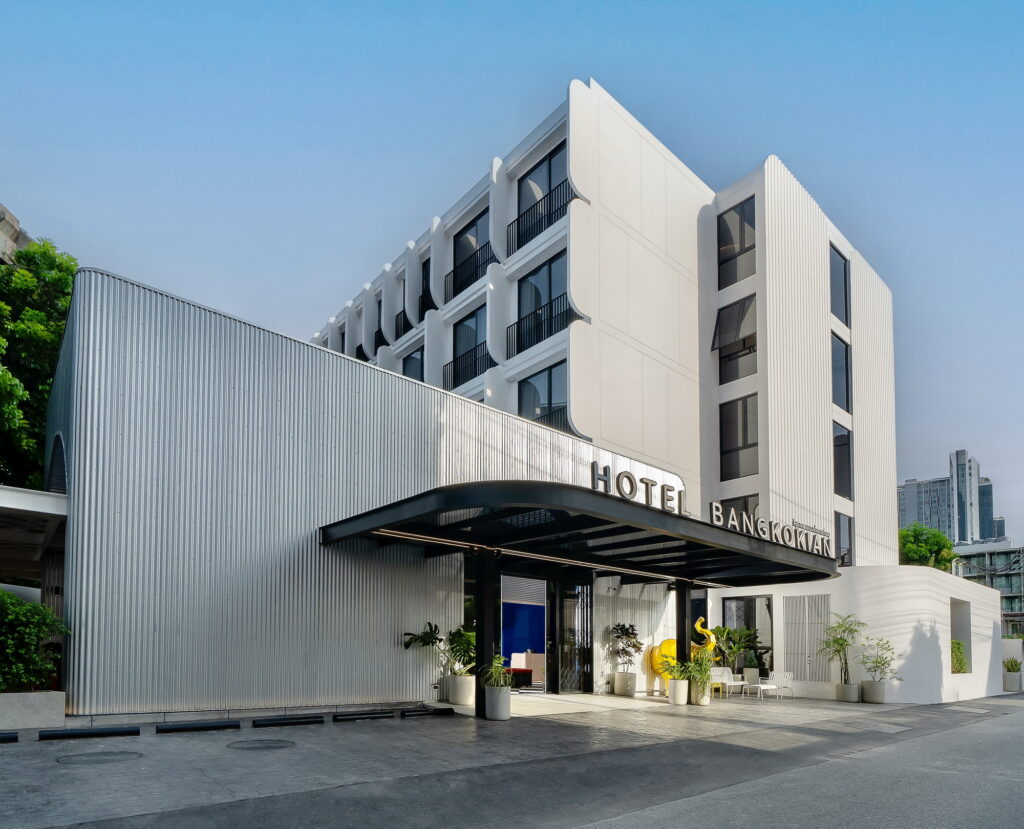
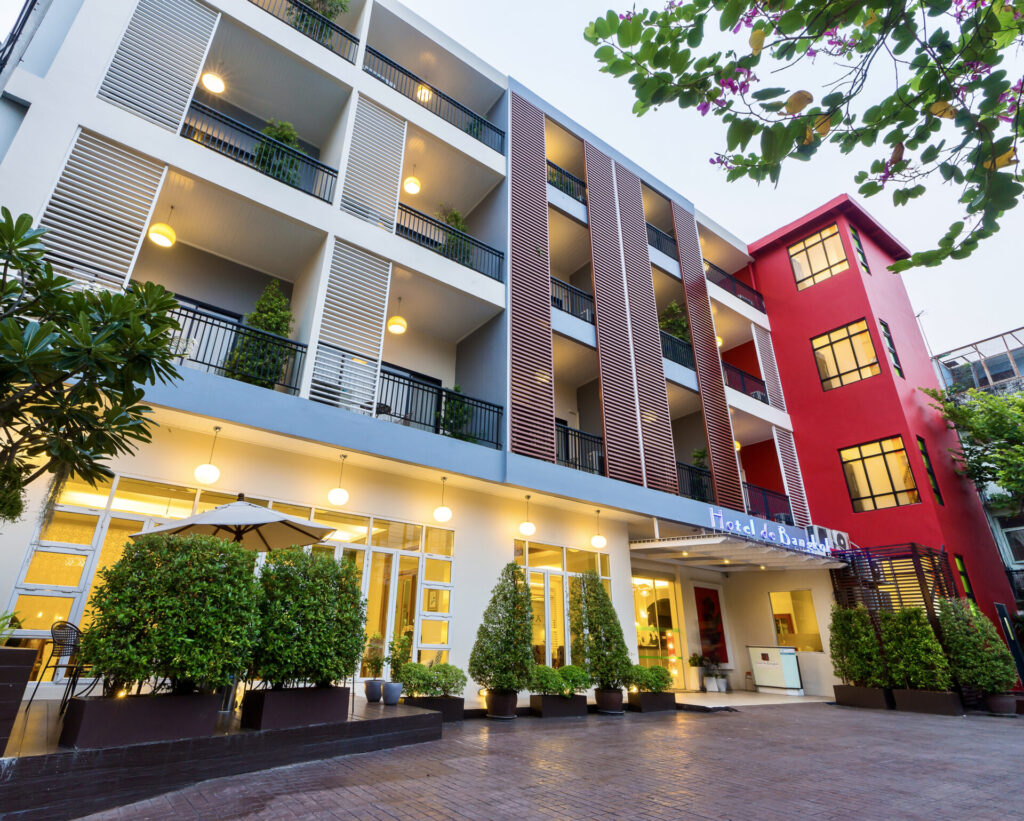
SERENATA stays: Hotel de Bangkok, Hotel Bangkokian and upcoming Bangkok properties in the SERENATA collection
Bangkok as a Wellness and Medical Travel Base
Bangkok is one of Asia’s leading medical travel hubs, home to several internationally recognised hospitals, including JCI-accredited facilities. Travellers visit Bangkok for health check-ups, specialist consultations, dental care, aesthetic treatments, rehabilitation and post-treatment recovery.
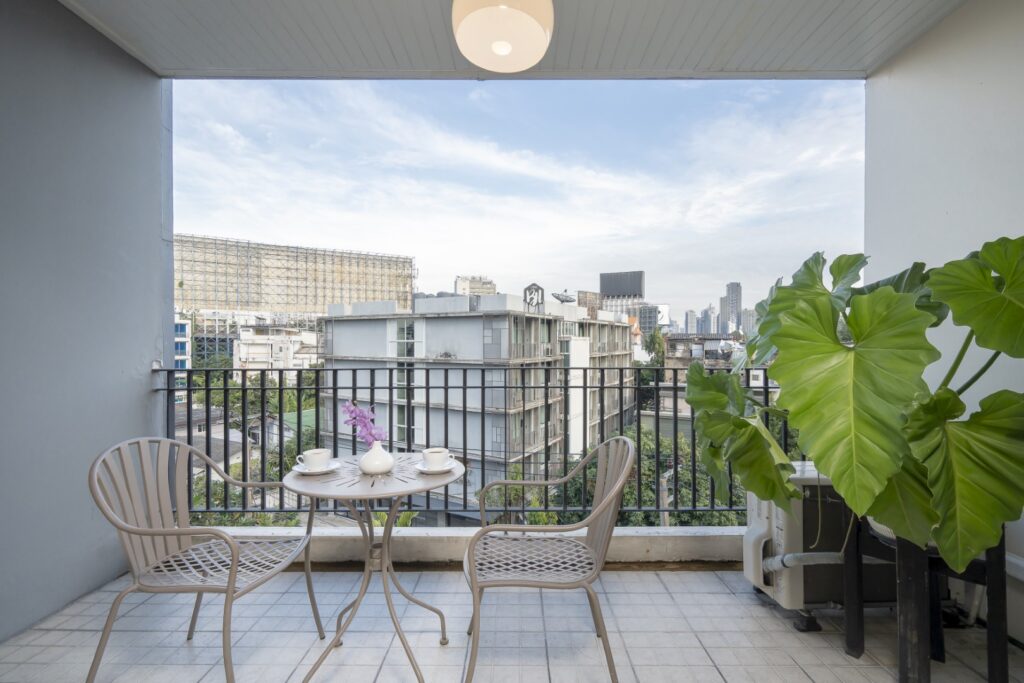
Hotel de Bangkok and Hotel Bangkokian are well positioned for travellers who want a central Bangkok base with access to hospitals, shopping, airport rail links and city attractions. For guests travelling for treatment or recovery, a smaller boutique hotel can offer a calmer, more personal alternative to large chain hotels.
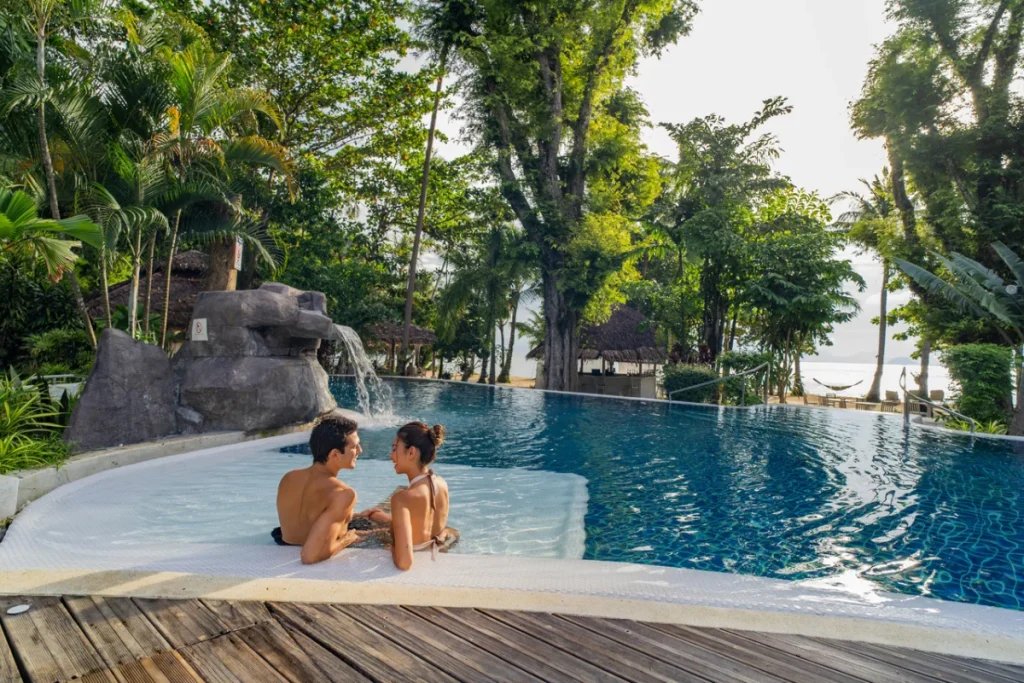
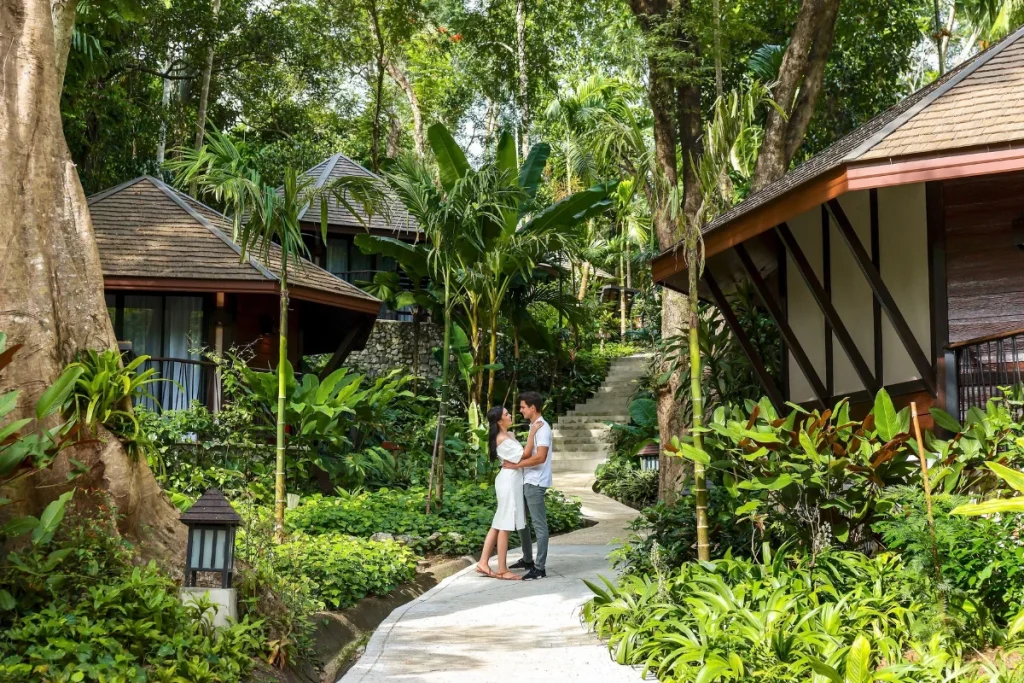
Kanchanaburi & the River Kwai: History, Wilderness and Slow Travel
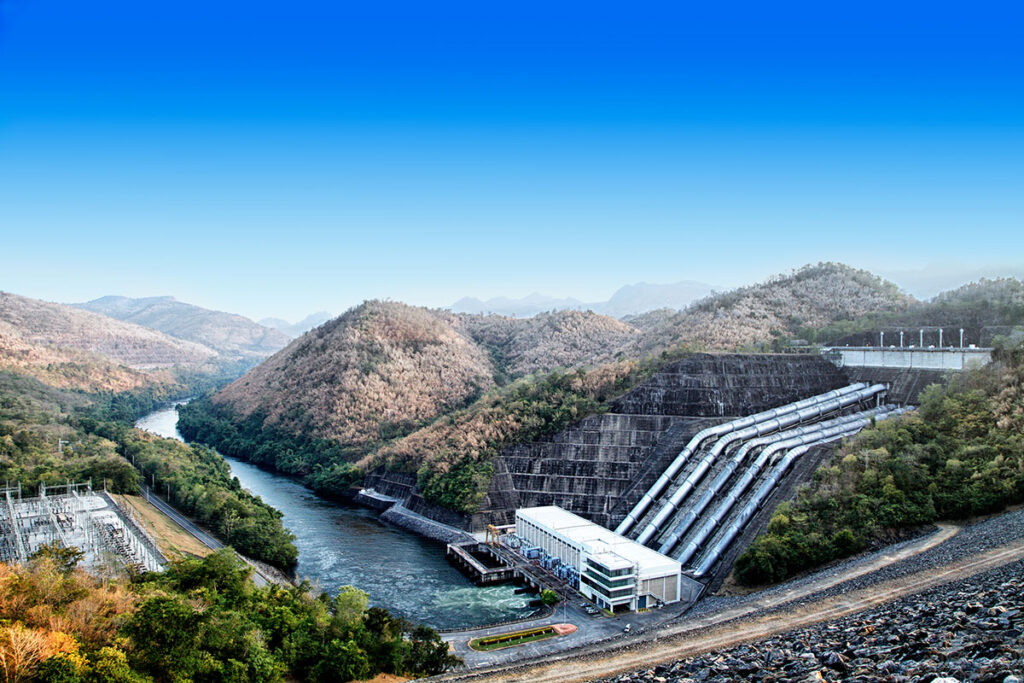
Just two to three hours west of Bangkok, Kanchanaburi is one of Thailand’s most rewarding nature and history destinations. The province is best known for the River Kwai, the Death Railway, the Bridge on the River Kwai and World War II memorial sites, but its appeal extends far beyond history.
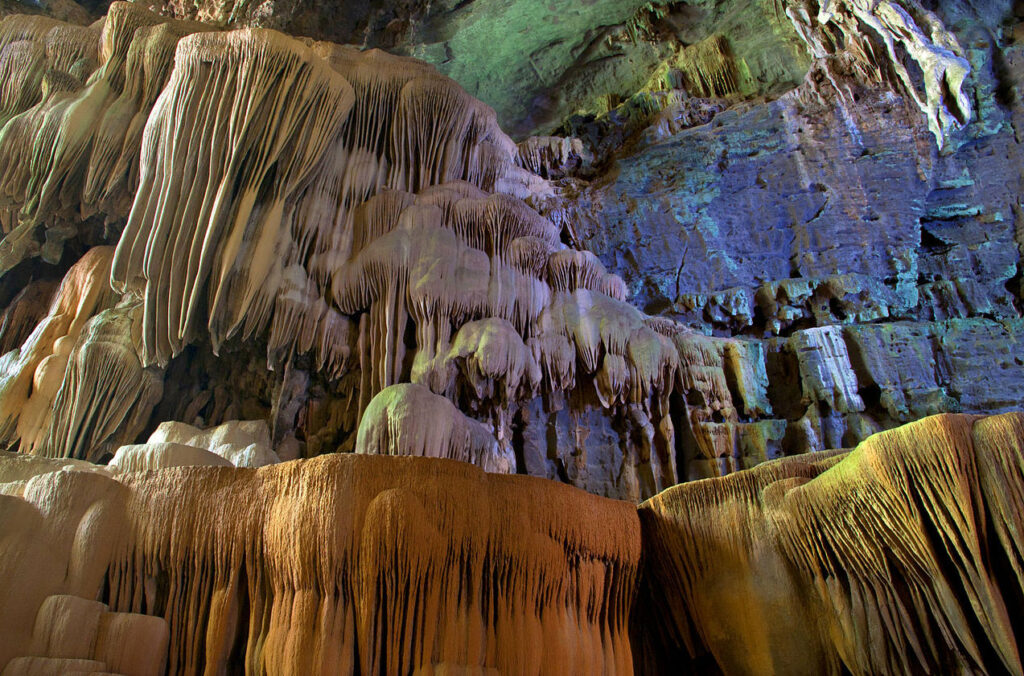
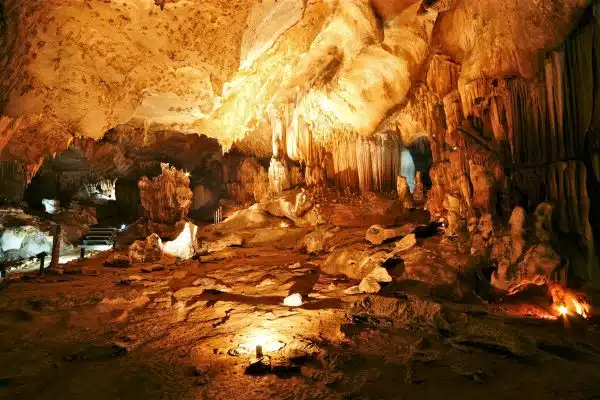
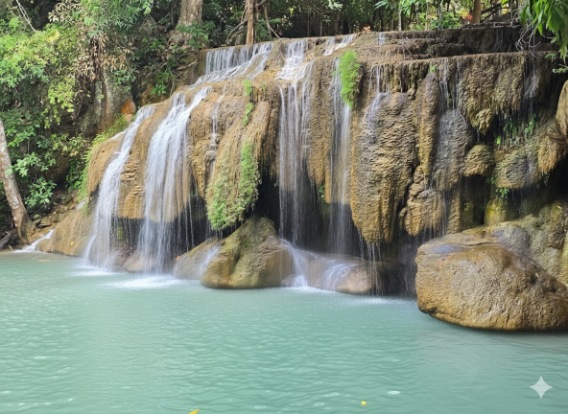
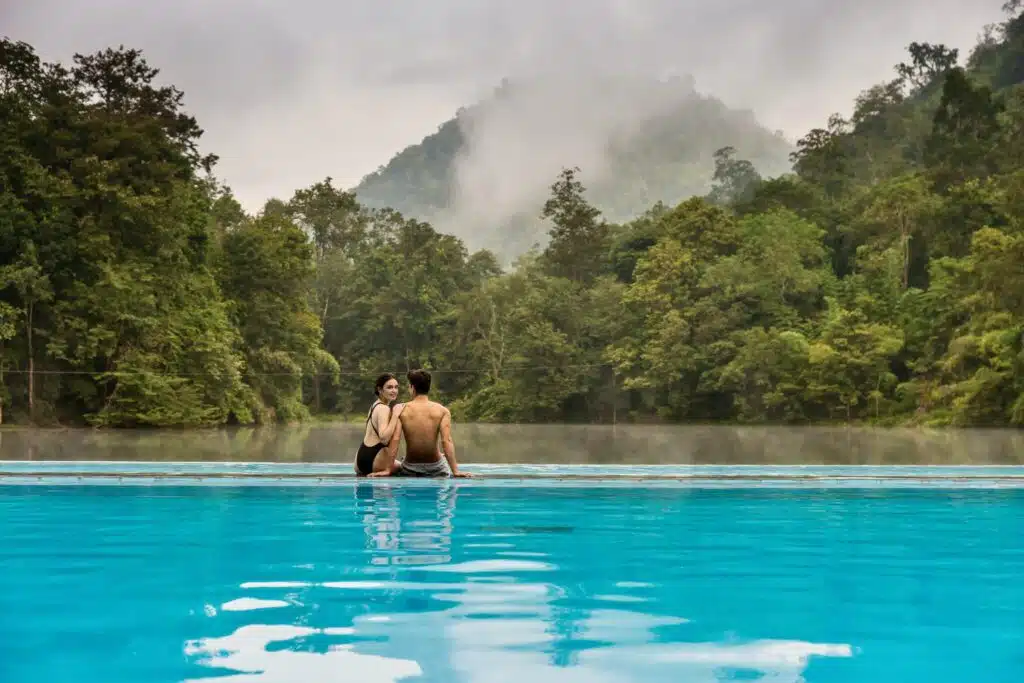
Kanchanaburi is also a landscape of forested hills, limestone cliffs, waterfalls, caves, hot springs and riverside communities. Erawan National Park, Sai Yok National Park, Hellfire Pass, the Kwai Noi River and the Kwai Yai River make this region ideal for slow travel, soft adventure and meaningful nature experiences.
Kanchanaburi at a Glance
Best for: River nature, World War II history, waterfalls, jungle stays, family trips and slow travel
Recommended stay: 2–4 nights
Travel time from Bangkok: Around 2.5–3 hours by road
SERENATA stays: The FloatHouse River Kwai Resort, River Kwai Jungle Rafts, River Kwai Resotel, Home Phutoey River Kwai Hotspring Resort, Hintok River Camp @ Hellfire Pass and other Kanchanaburi properties in the SERENATA collection
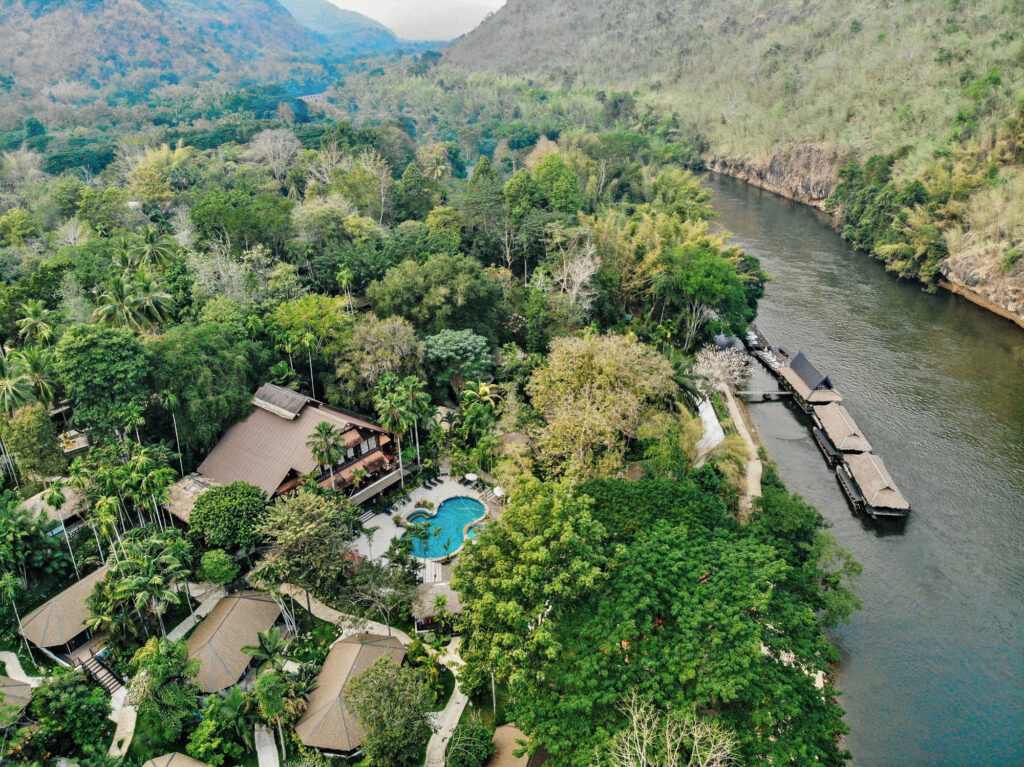
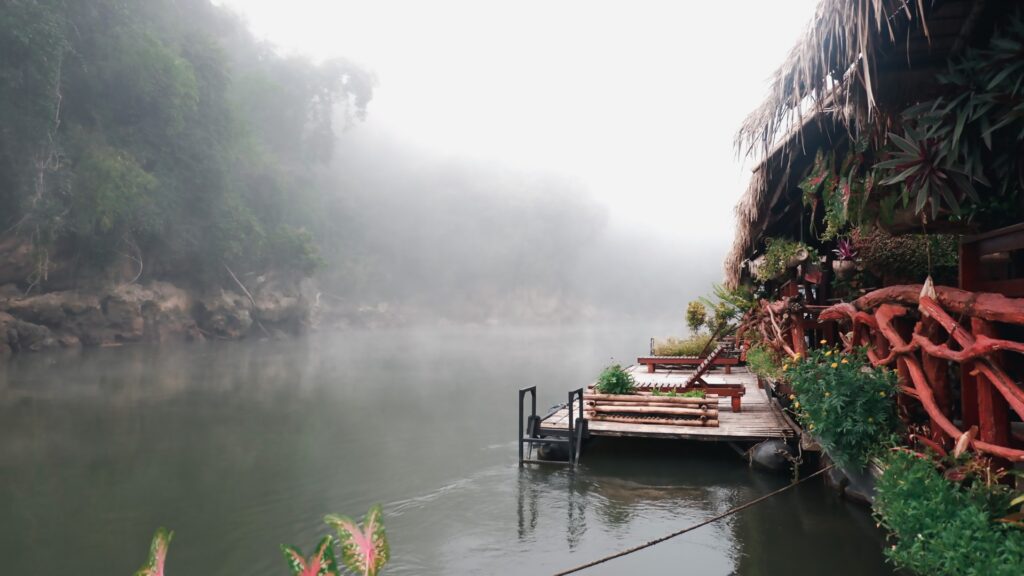
One of the most atmospheric ways to experience Kanchanaburi is to stay directly by the river. The FloatHouse River Kwai Resort offers floating villa accommodation on the Kwai Noi River, surrounded by jungle scenery and the quiet rhythm of the water.
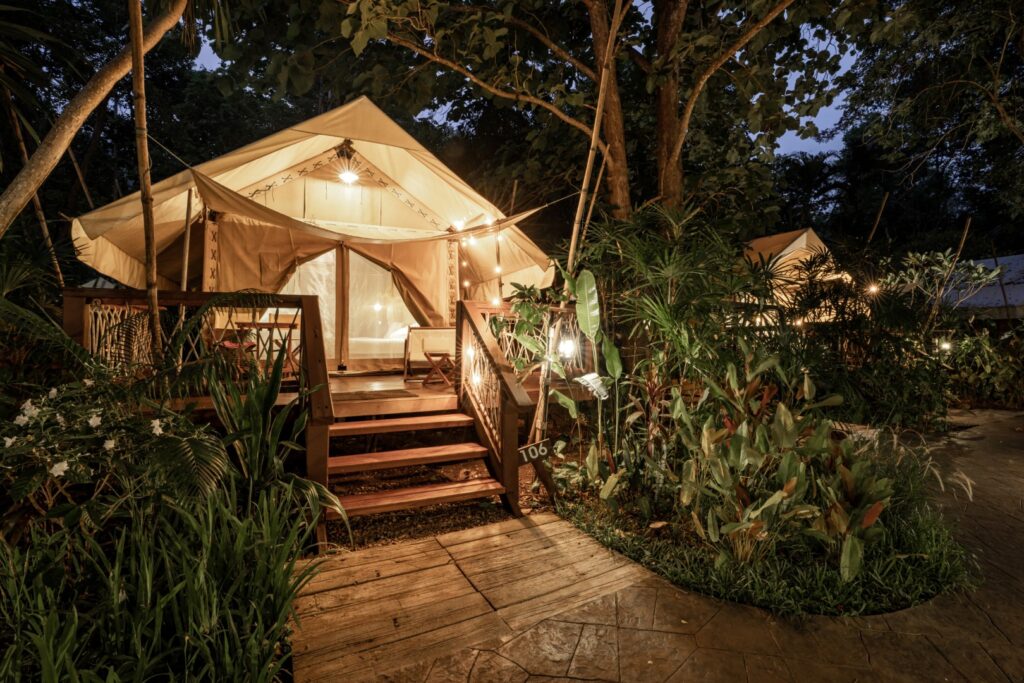
For travellers who prefer land-based nature retreats, Home Phutoey River Kwai Hotspring Resort offers riverside greenery, hot spring experiences and a peaceful setting close to historic routes and natural attractions. Hintok River Camp @ Hellfire Pass provides a unique glamping-style experience connected to the landscape and history of Hellfire Pass.
Don’t miss: Erawan Waterfall, Hellfire Pass Interpretive Centre, a longtail boat ride on the Kwai Noi River, Sai Yok waterfalls and an overnight stay close to nature.
Sukhothai: The Cradle of Thai Civilisation
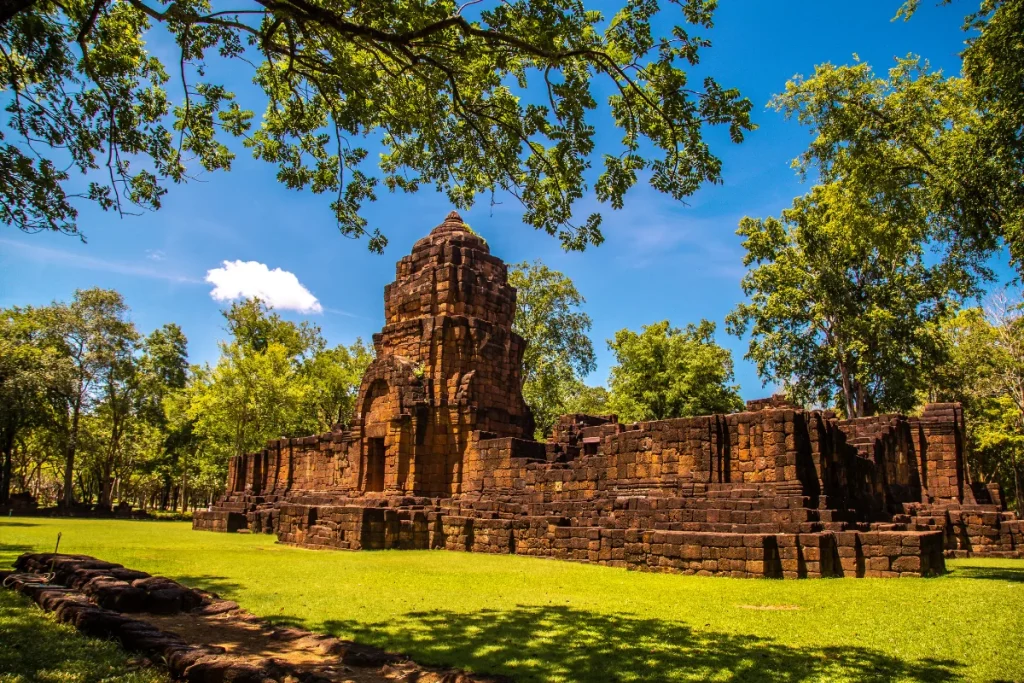
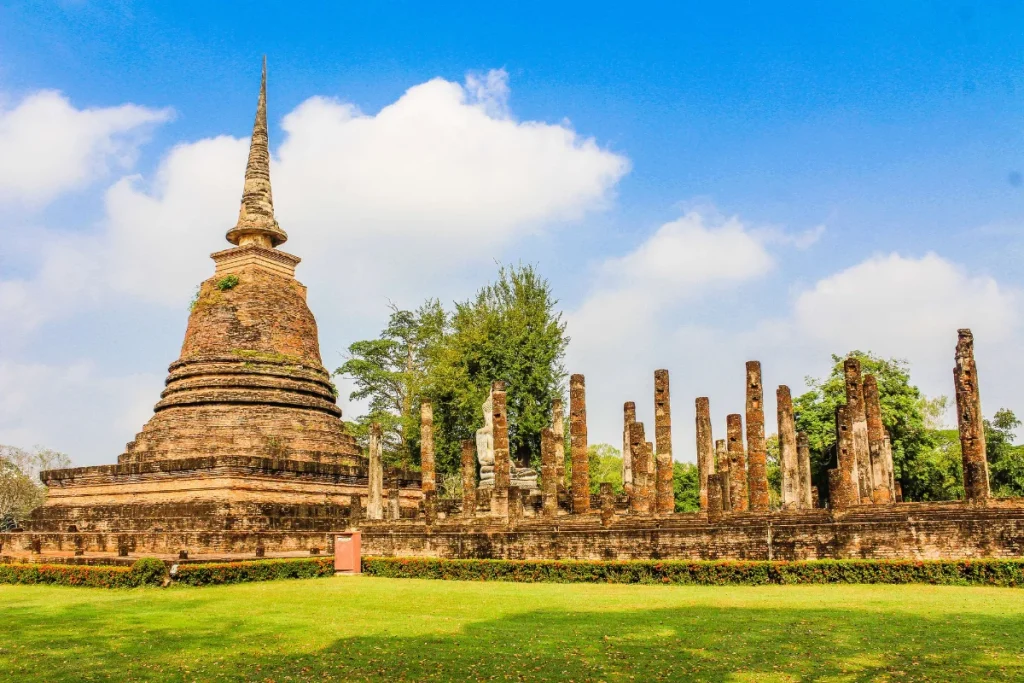
Sukhothai is one of Thailand’s most important cultural destinations. As the heart of the Sukhothai Kingdom in the 13th and 14th centuries, it represents a formative period in Thai art, language, architecture and statehood.
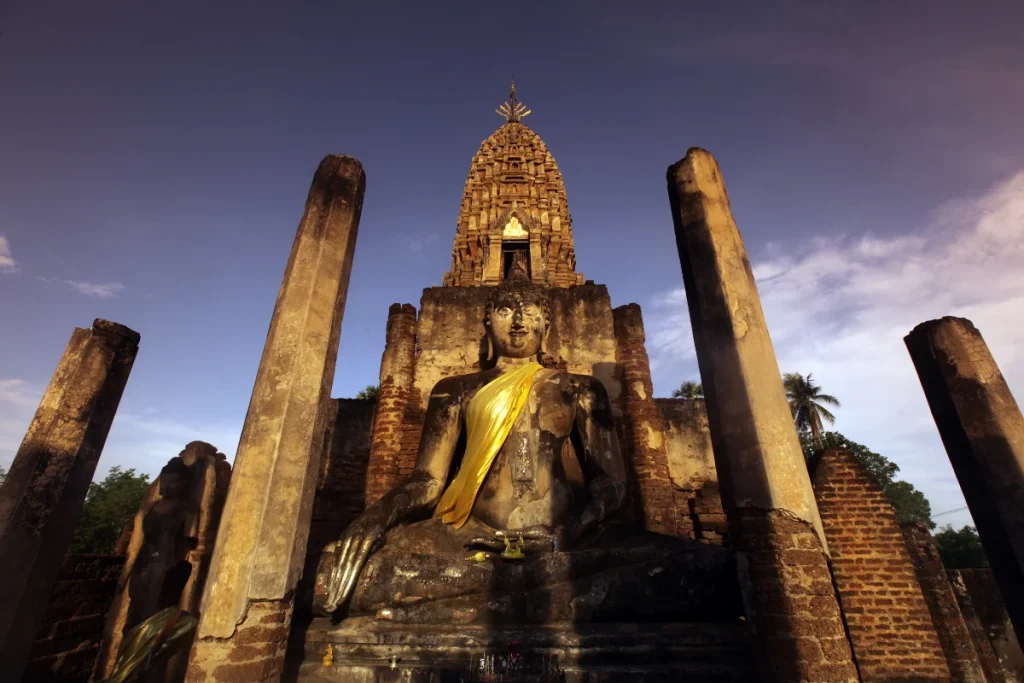
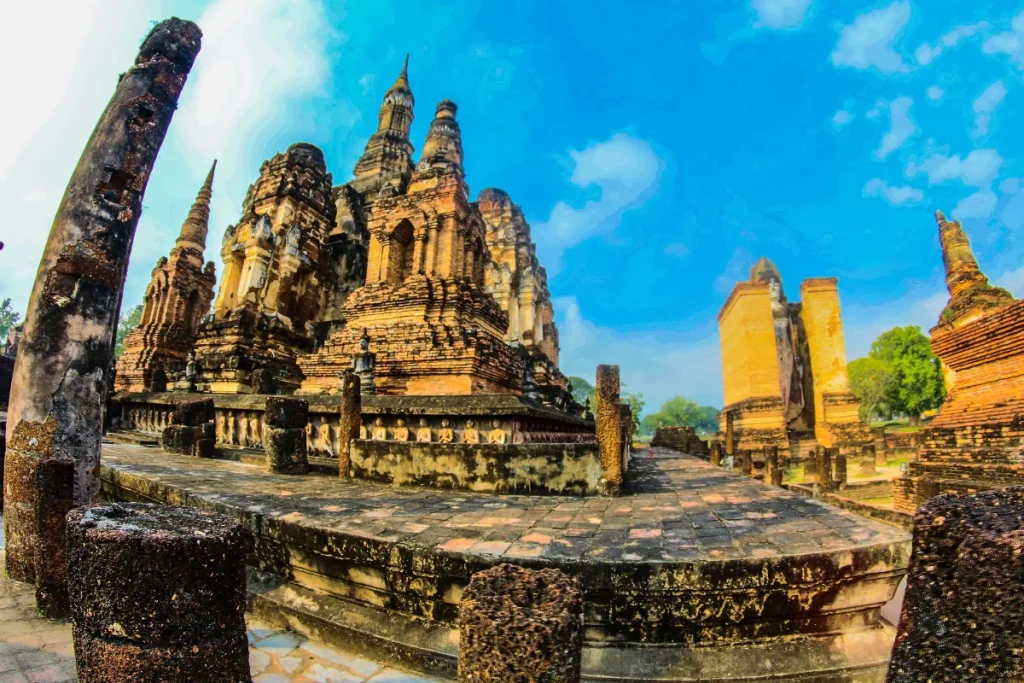
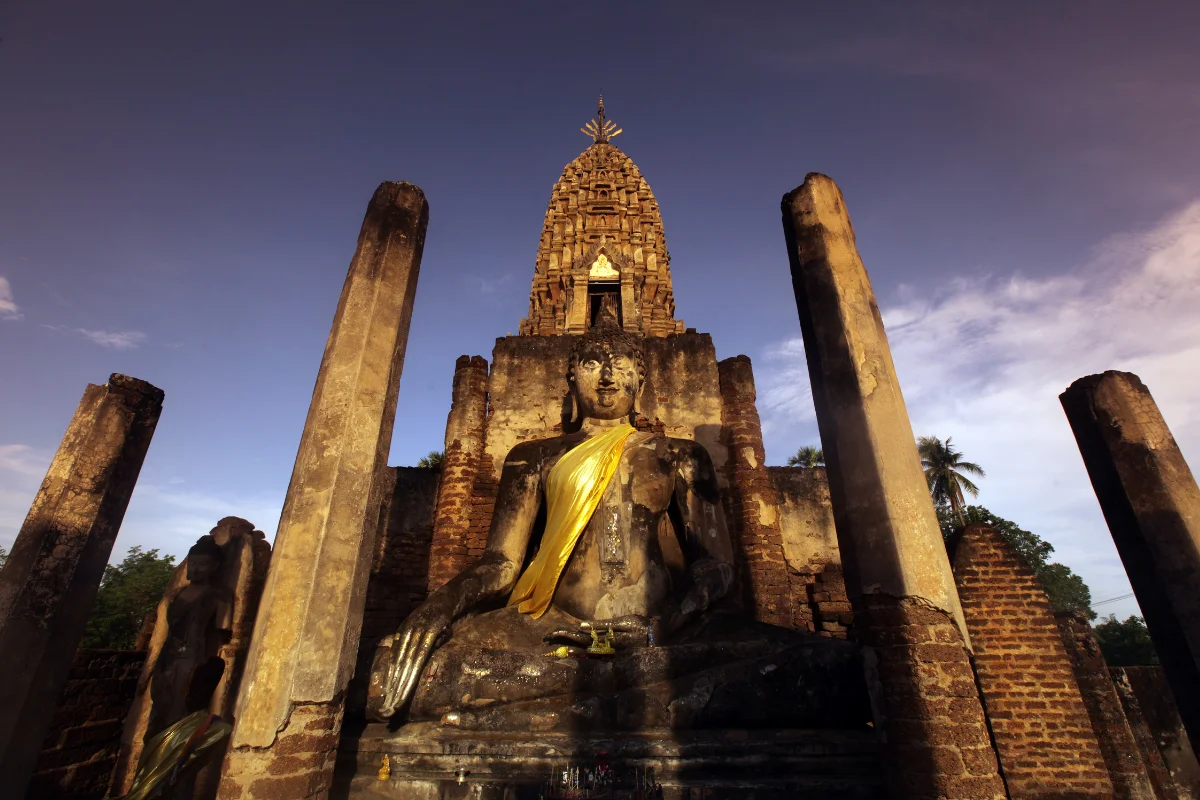
The highlight is Sukhothai Historical Park, a UNESCO World Heritage Site filled with ancient temples, lotus ponds, seated Buddha images, brick stupas and peaceful cycling paths. Unlike many archaeological sites, Sukhothai feels open, calm and deeply atmospheric. Visiting at sunrise or golden hour is especially memorable.
Sukhothai at a Glance
Best for: Thai history, UNESCO heritage, cycling, culture and photography
Recommended stay: 1–2 nights
Travel style: Slow, cultural and reflective
SERENATA stays: Legendha Sukhothai Resort and Le Charme Sukhothai Resort
Legendha Sukhothai Resort and Le Charme Sukhothai Resort provide convenient bases for travellers exploring the historical park, local markets and the quieter rhythms of old Sukhothai.
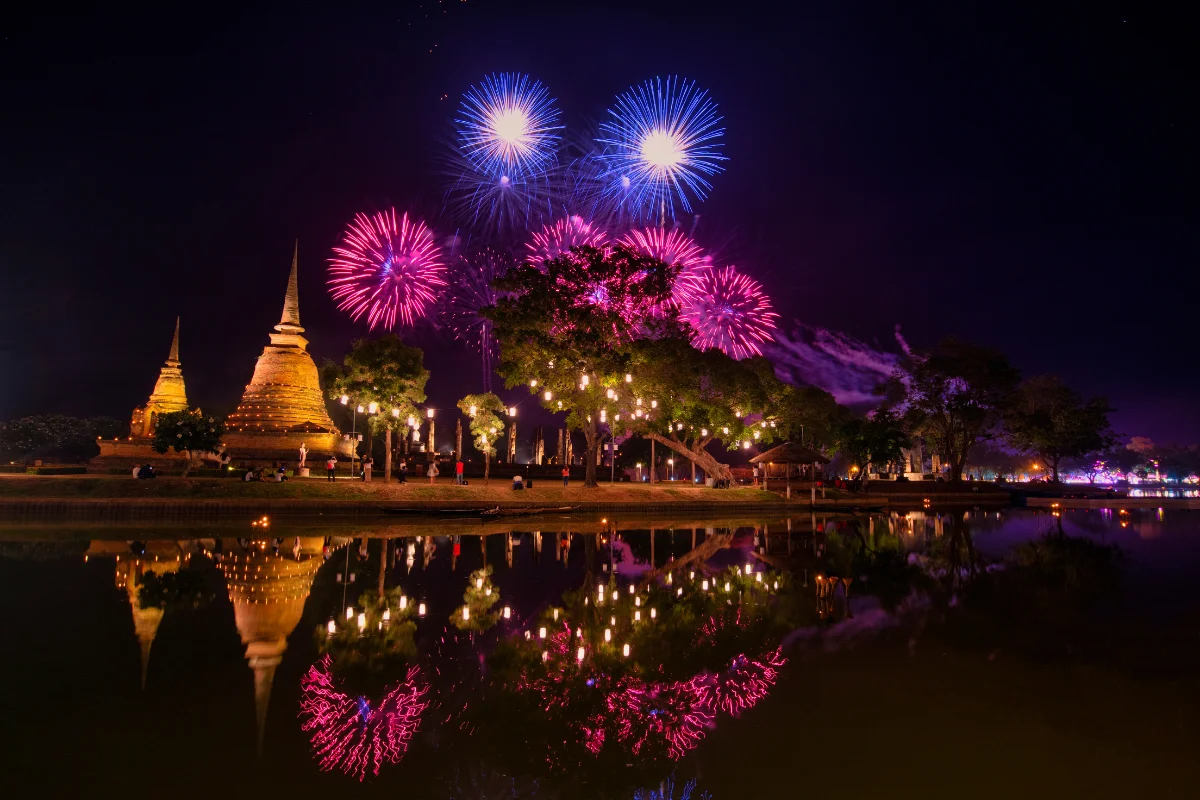
Don’t miss: Cycling through Sukhothai Historical Park, Wat Mahathat, Wat Si Chum and the Loy Krathong Festival, which is especially meaningful in Sukhothai.
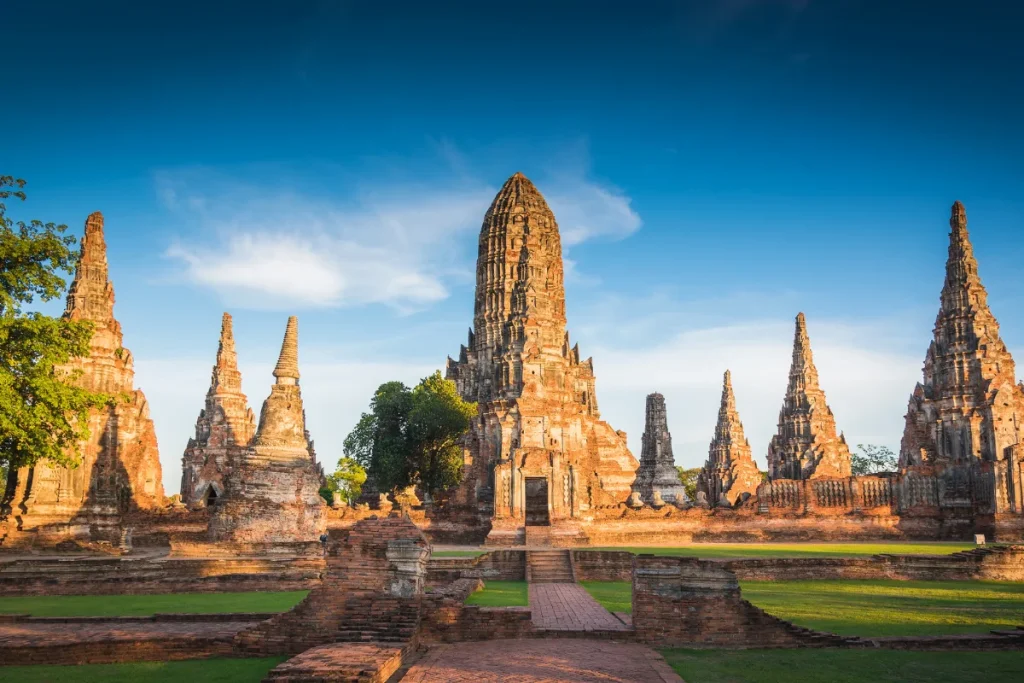
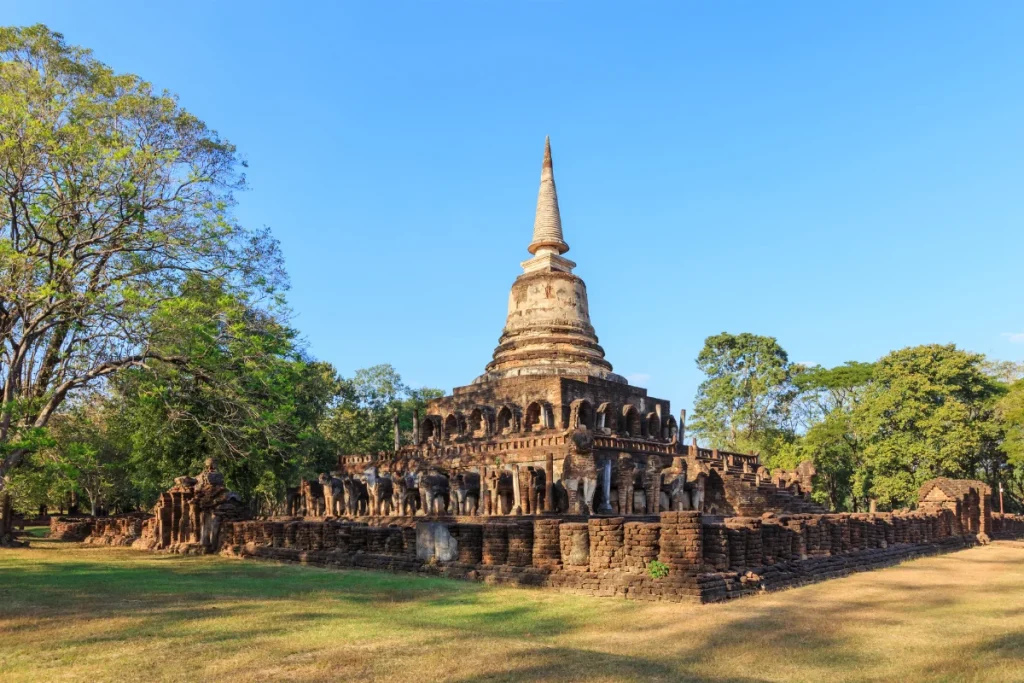




Northern Thailand: Lanna Culture, Mountains and Living Heritage
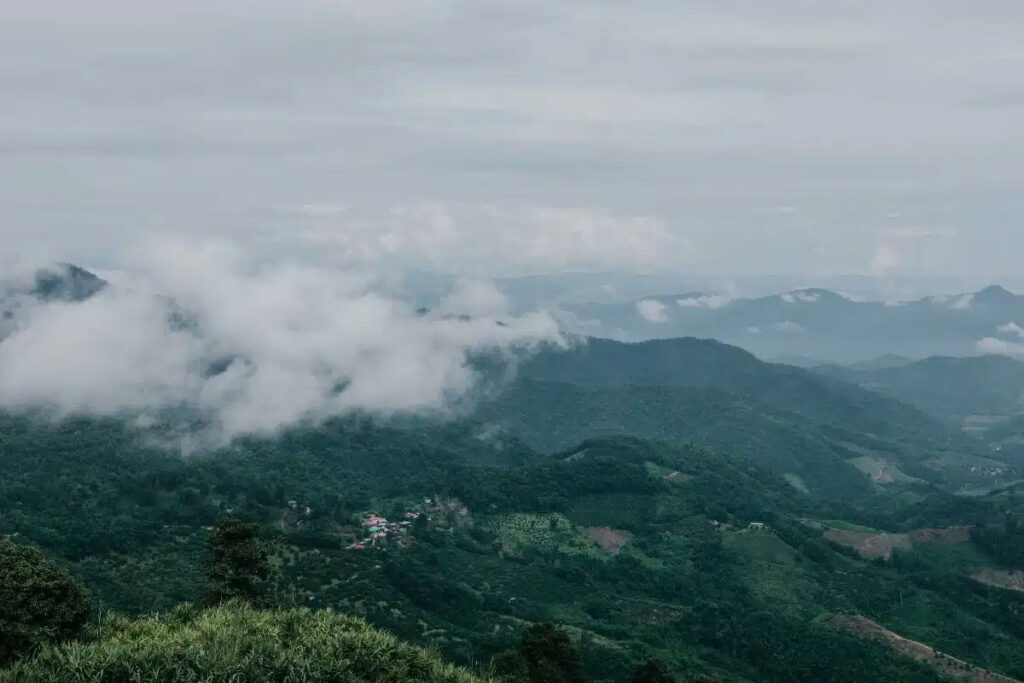
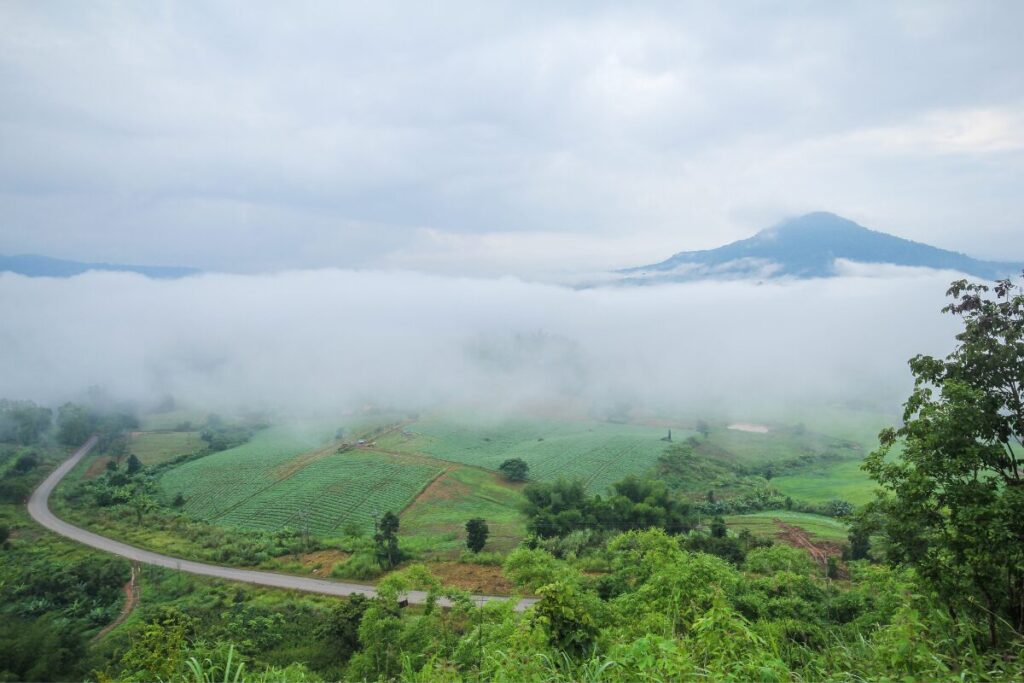
Northern Thailand has a distinct identity shaped by the historic Lanna Kingdom, meaning “Million Rice Fields.” The region is known for its temple architecture, wooden houses, local dialects, handcrafts, mountain scenery and regional cuisine.
Lampang: A Gentle Lanna City
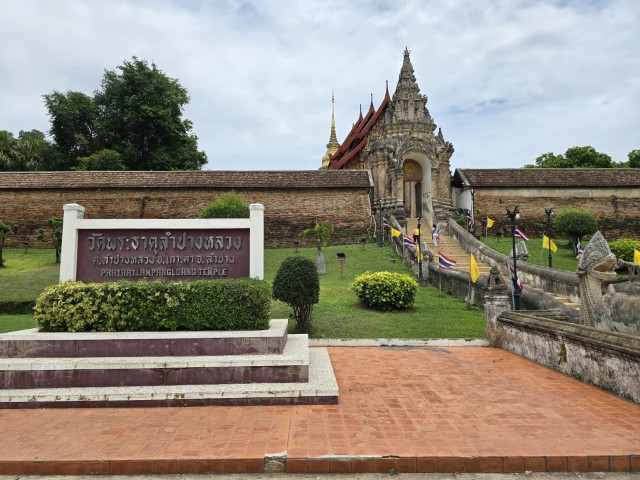
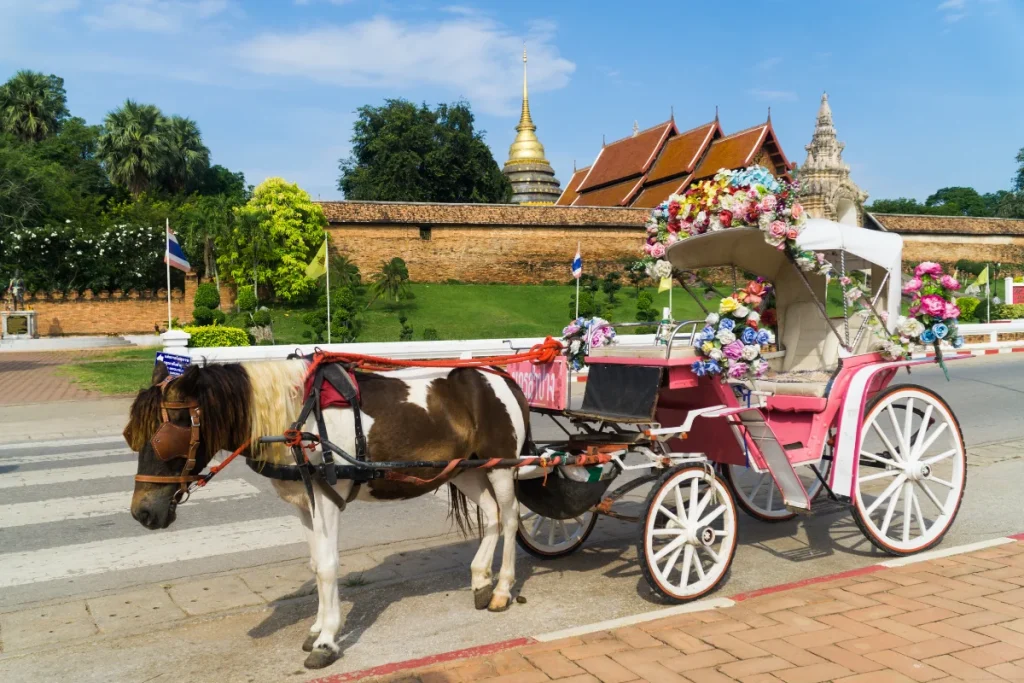
Lampang is one of Northern Thailand’s most charming and culturally intact cities. It is known for horse-drawn carriages, riverside heritage, teak architecture, ceramic craft and important temples such as Wat Phra That Lampang Luang.
Lampang at a Glance
Best for: Lanna heritage, slow travel, local culture, riverside stays and authentic Northern Thailand
Recommended stay: 1–3 nights
SERENATA stay: Lampang River Lodge Resort
Lampang River Lodge Resort offers a peaceful Lanna-style resort setting by the Wang River, surrounded by greenery and traditional northern design. Its restaurant, Buatong Restaurant & Bar, celebrates northern flavours and relaxed riverside dining.
Chiang Rai: Art, Temples and the Golden Triangle
Chiang Rai combines mountain landscapes, contemporary temple art and frontier history. Highlights include Wat Rong Khun, the Blue Temple, the Golden Triangle, tea plantations and hill tribe communities.
The Legend Chiang Rai Boutique River Resort & Spa offers a serene riverside base along the Kok River, ideal for exploring the city and surrounding highlands.
Pai and the Northern Highlands
Pai, in Mae Hong Son province, is a small mountain valley town known for hot springs, bamboo bridges, waterfalls, rice fields and a relaxed creative atmosphere. It works best as a side journey for travellers who want a softer, slower version of Northern Thailand.
Don’t miss: Lanna temples, khao soi, local markets, northern craft villages, tea plantations and seasonal festivals such as Yi Peng and Loy Krathong.
Hua Hin: Thailand’s Royal Beach Town
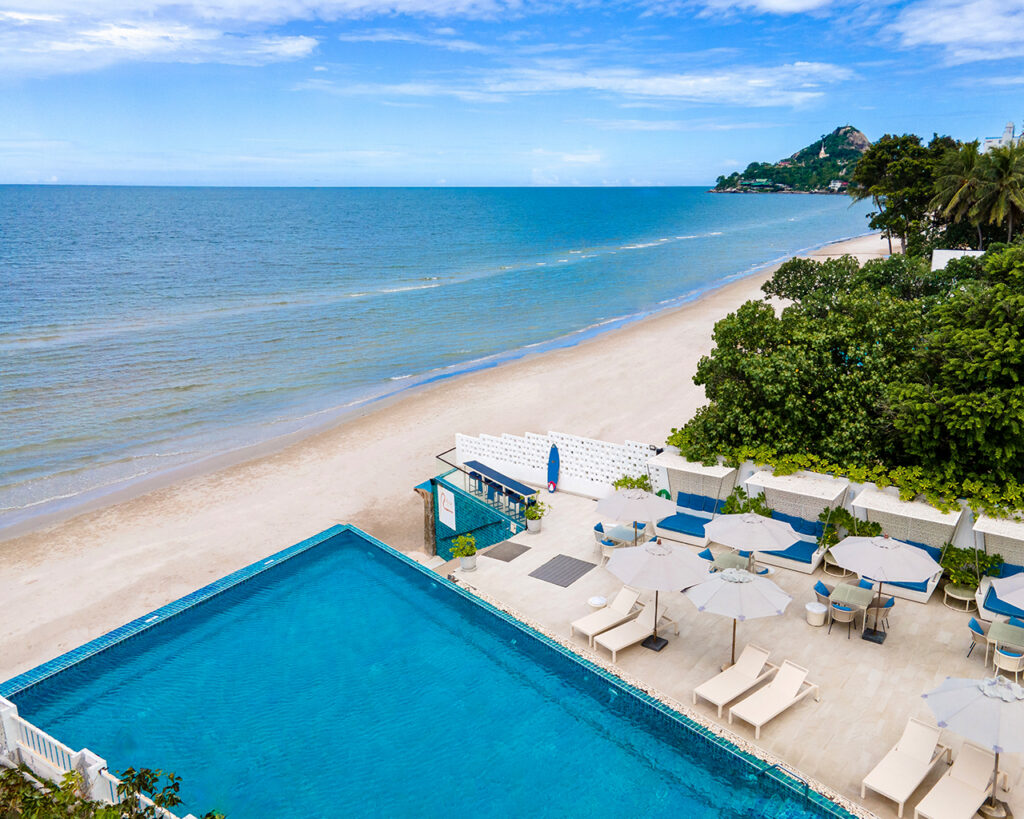
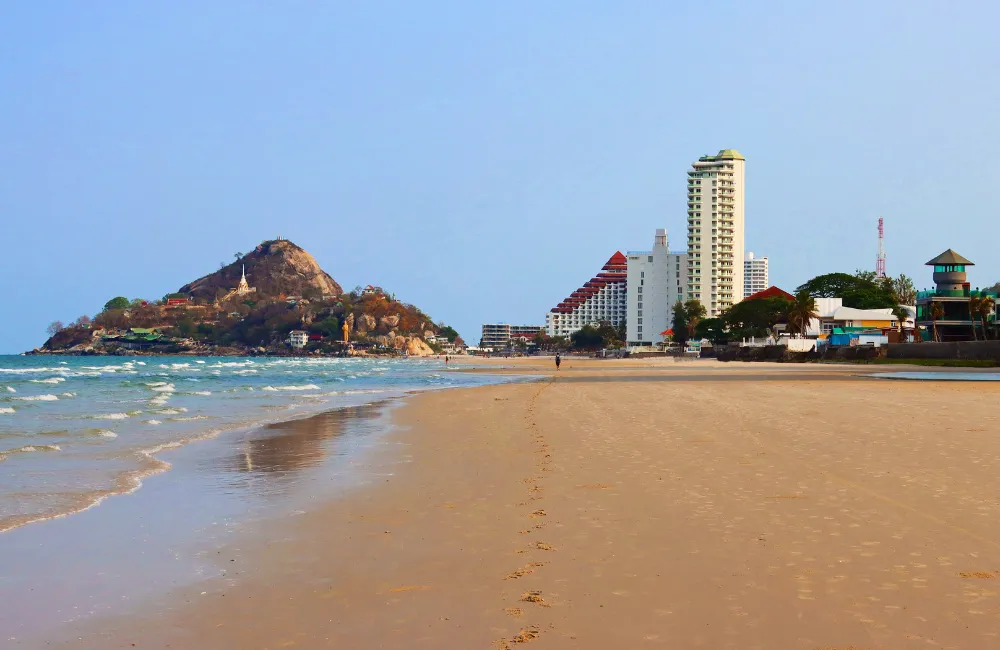
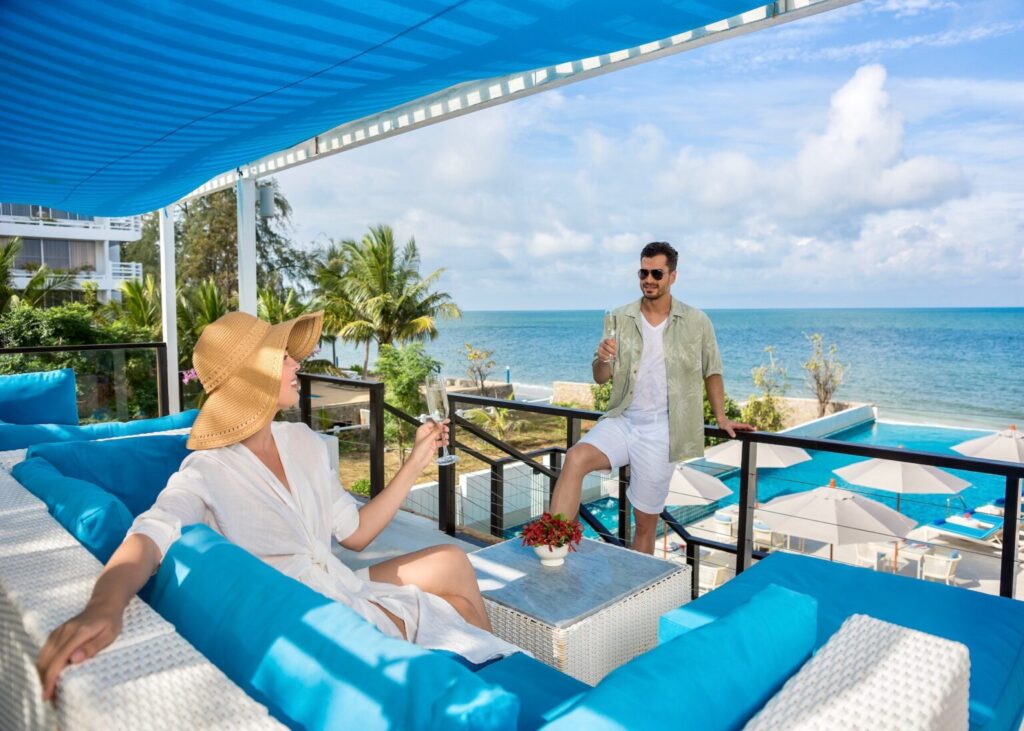
Hua Hin has a character unlike Thailand’s more party-oriented beach destinations. First popularised as a royal seaside retreat in the early 20th century, Hua Hin remains graceful, comfortable and easy to access from Bangkok.
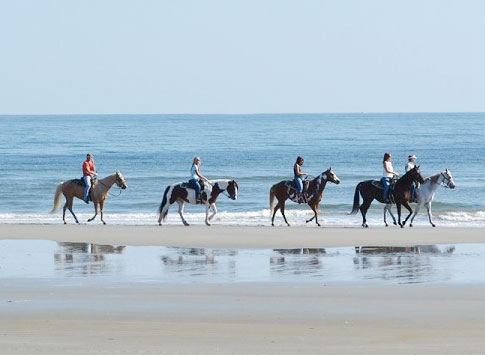
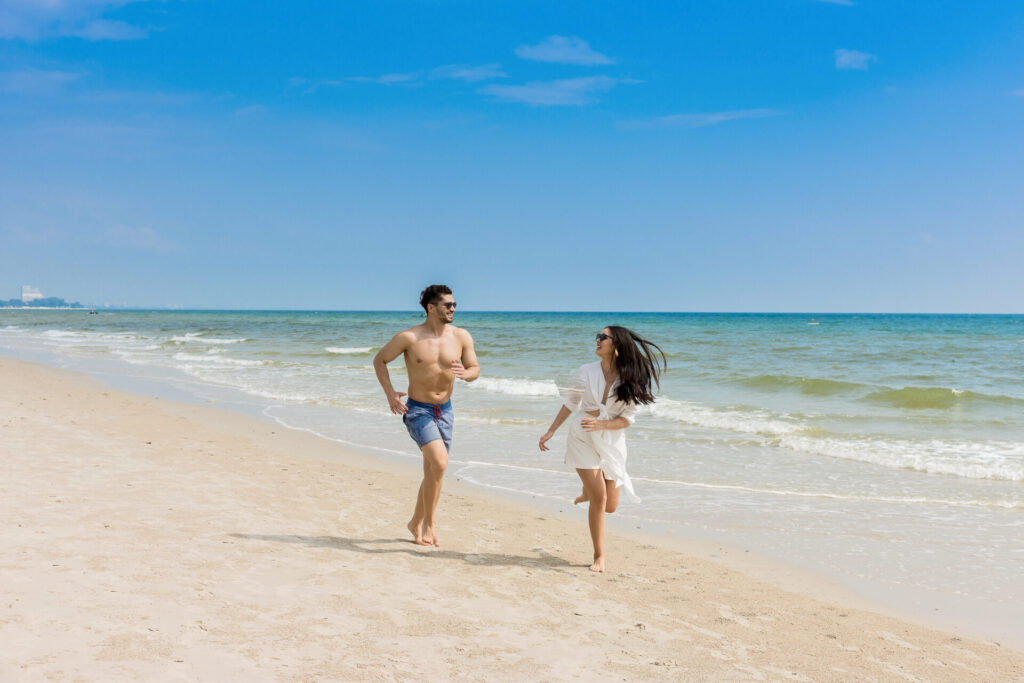
The town offers a long sandy beach, seafood restaurants, golf courses, night markets, heritage railway charm, cafés, shopping malls and nearby nature attractions. It is especially appealing for families, couples, long-stay guests and Bangkok residents looking for a convenient seaside escape.
Hua Hin at a Glance
Best for: Beach relaxation, families, couples, golf, seafood and weekend escapes
Recommended stay: 2–4 nights
Travel time from Bangkok: Around 2.5–3.5 hours by road, depending on traffic
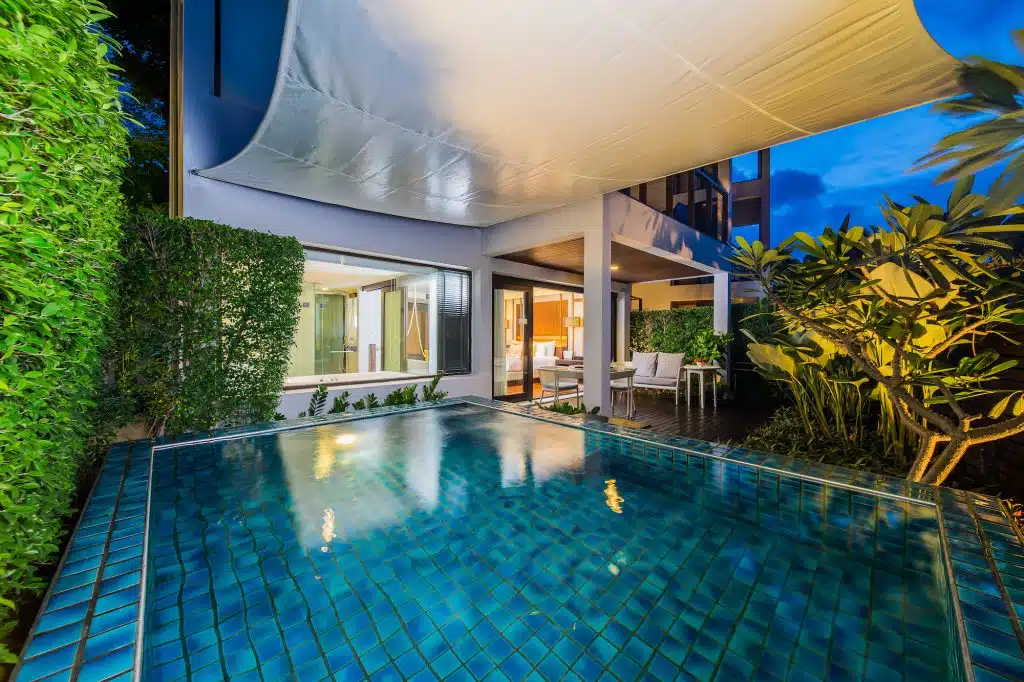
SERENATA stays: The Rock Hua Hin Beachfront Spa Resort and Blu Marine Hua Hin Resort and Villas
The Rock Hua Hin Beachfront Spa Resort offers a beachfront boutique resort experience, while Blu Marine Hua Hin Resort and Villas is suitable for relaxed stays, families and longer visits close to town conveniences.
Don’t miss: Hua Hin Beach, Cicada Market, local seafood, Khao Takiab, nearby national parks and sunset walks by the sea.

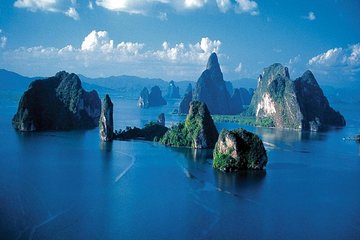
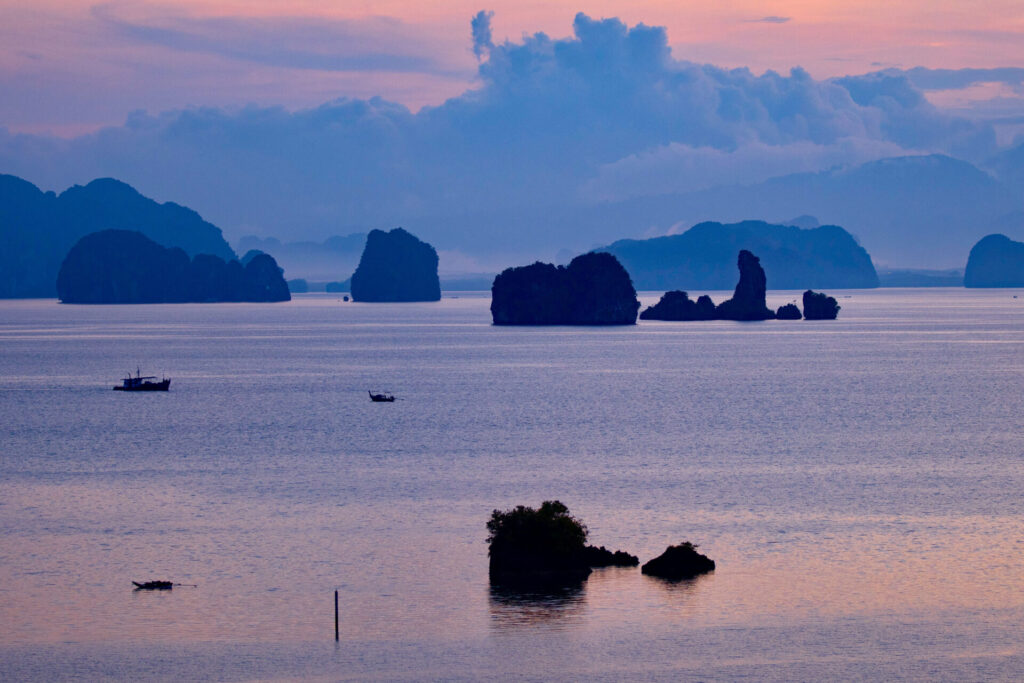
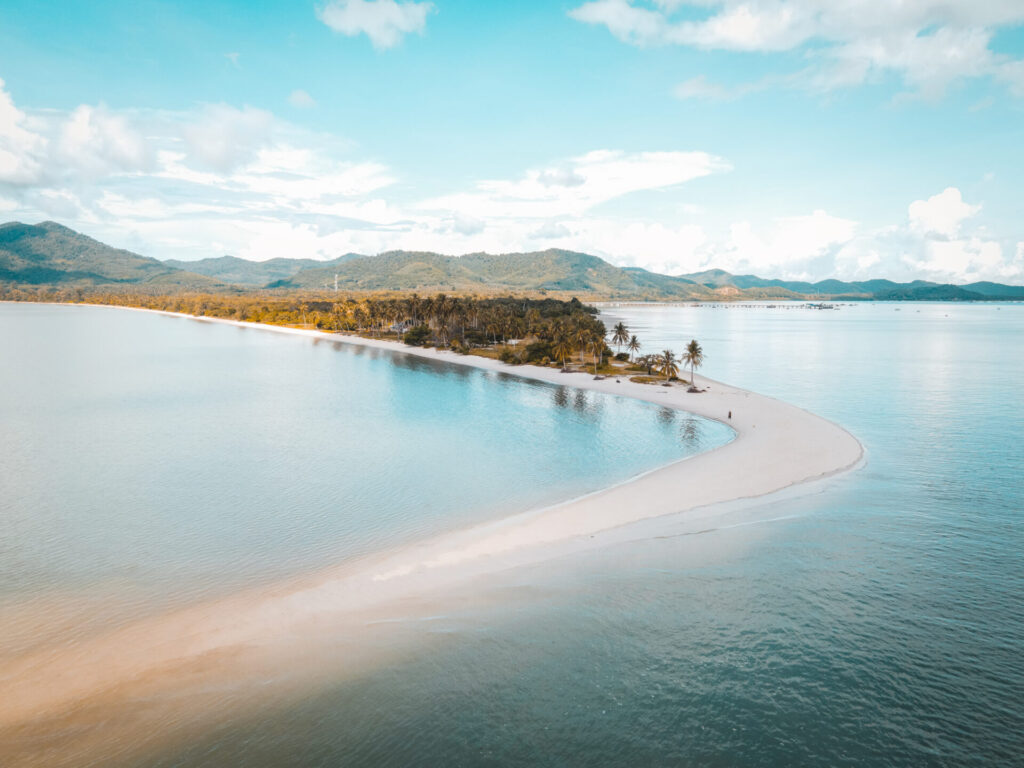
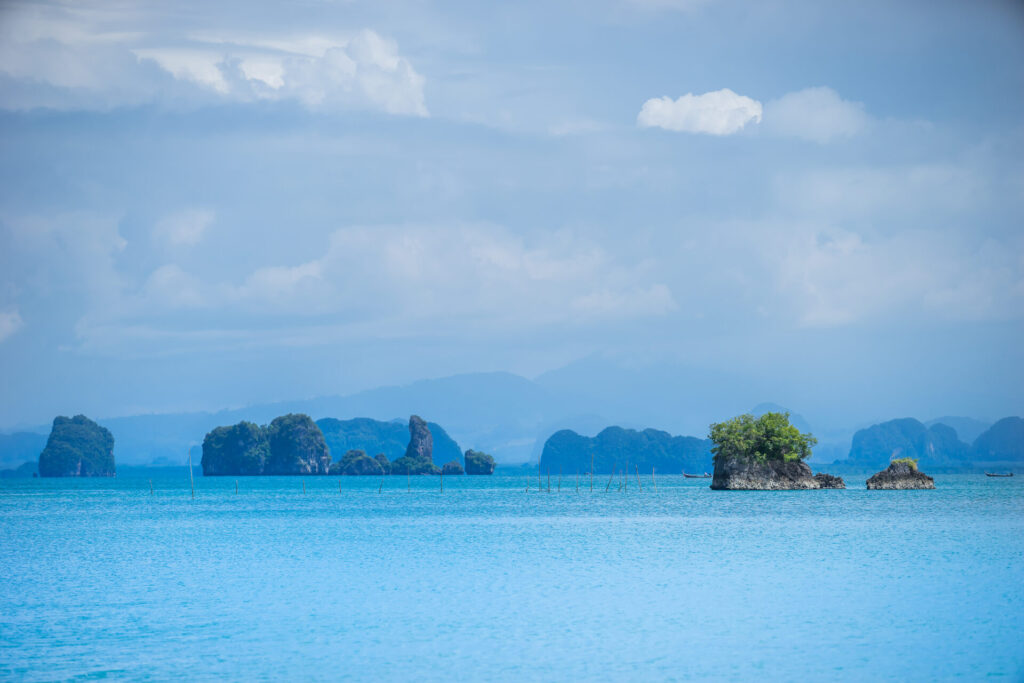
Koh Yao Noi: Thailand’s Best-Kept Island Secret
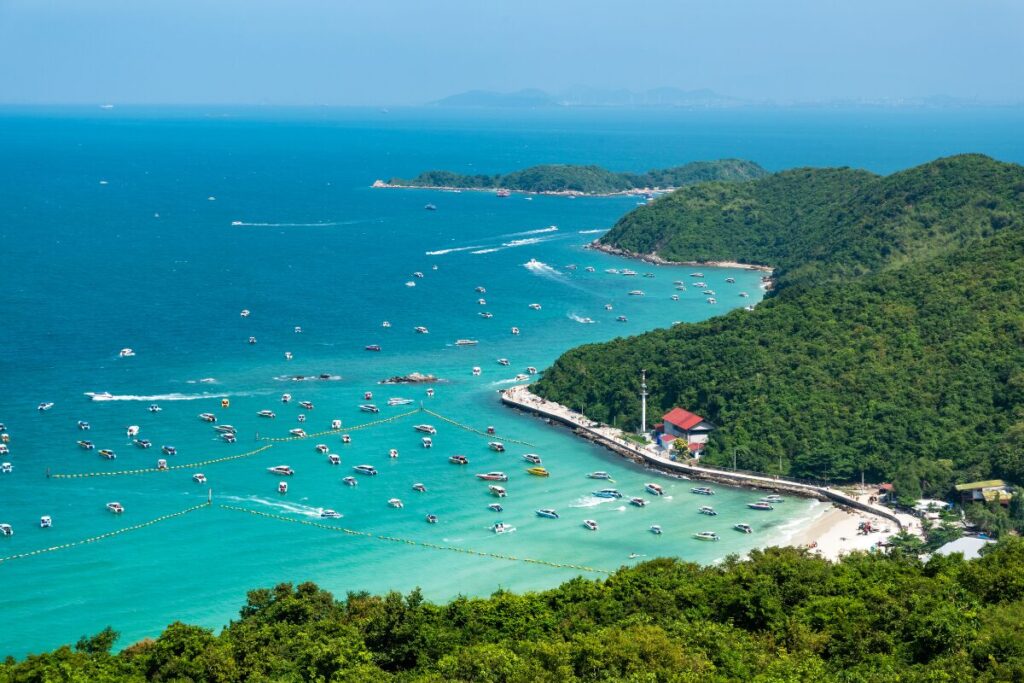
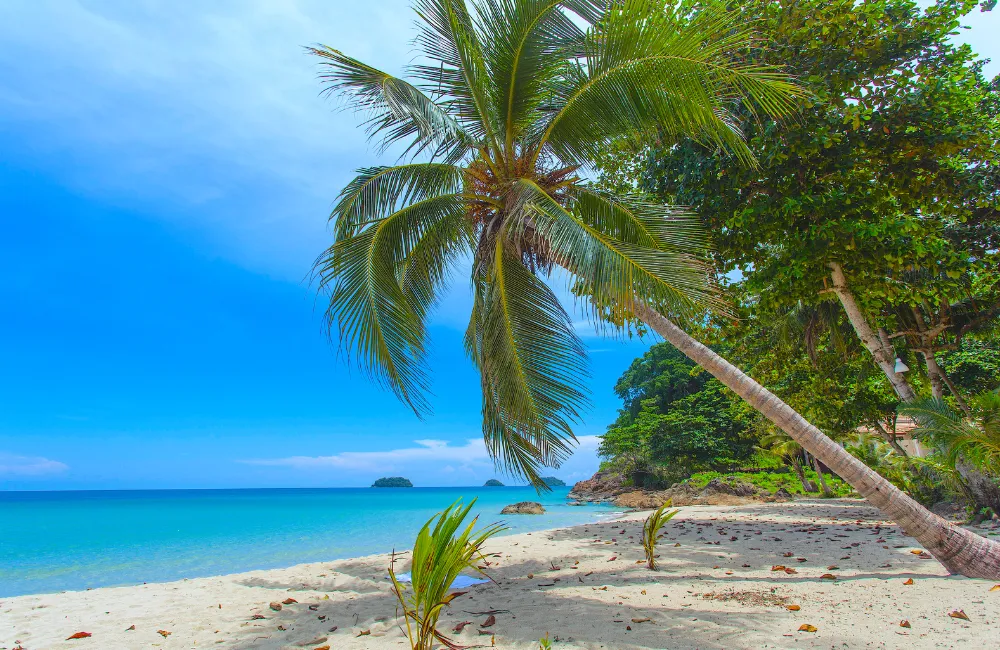
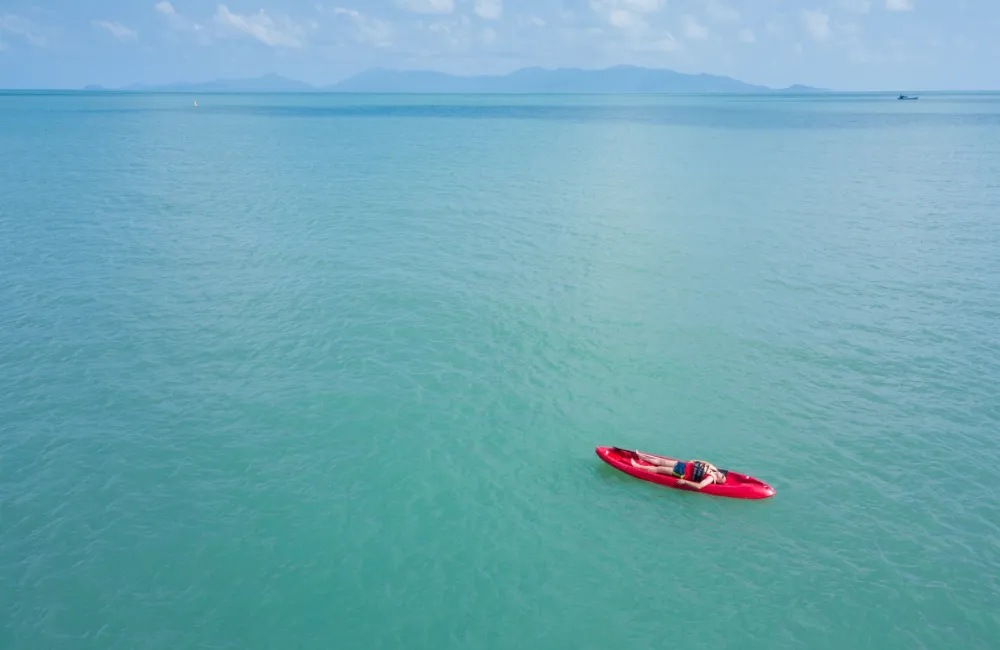
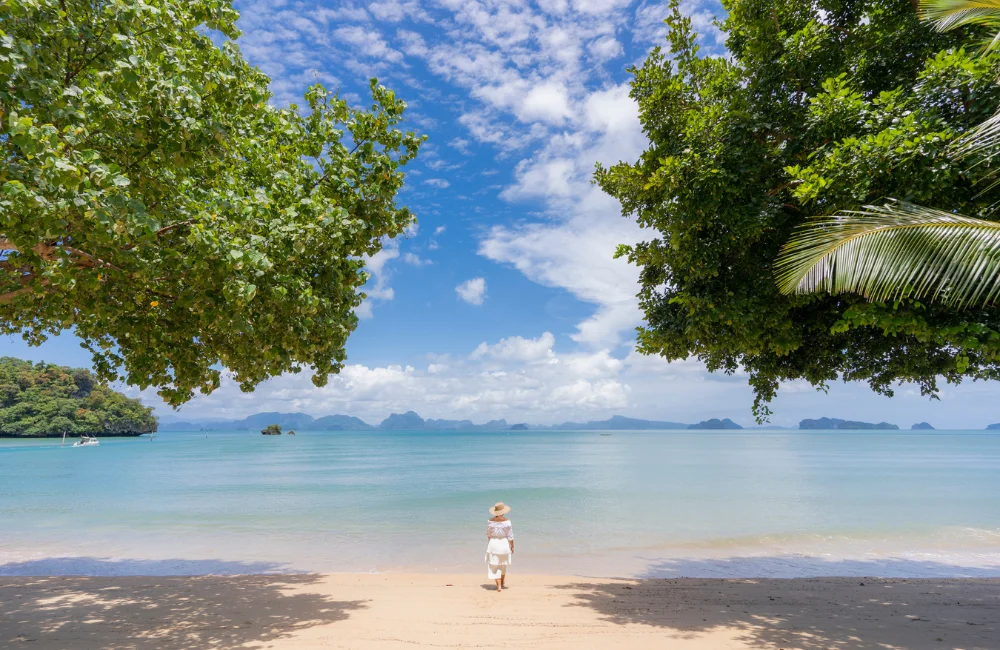
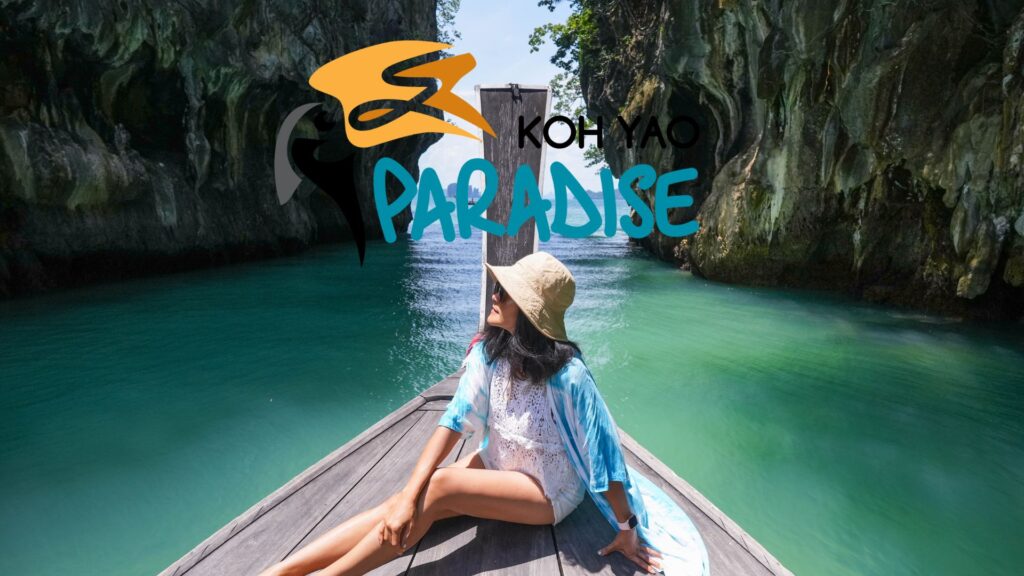
Koh Yao Noi sits in Phang Nga Bay between Phuket and Krabi, surrounded by limestone karsts, emerald water and traditional fishing communities. The island is quieter than many Thai beach destinations and has preserved a strong local rhythm.
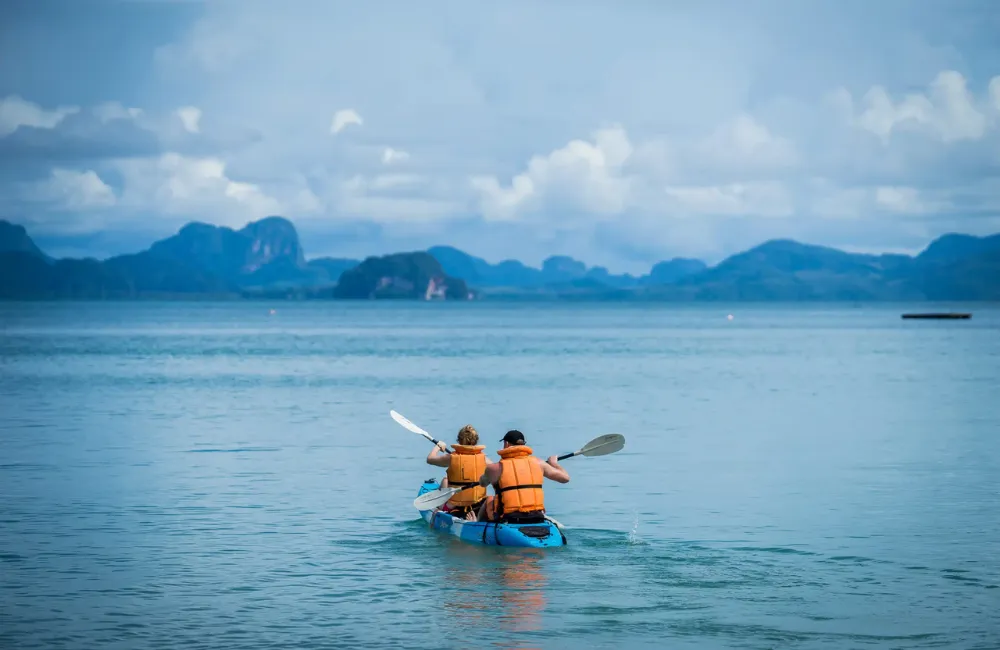
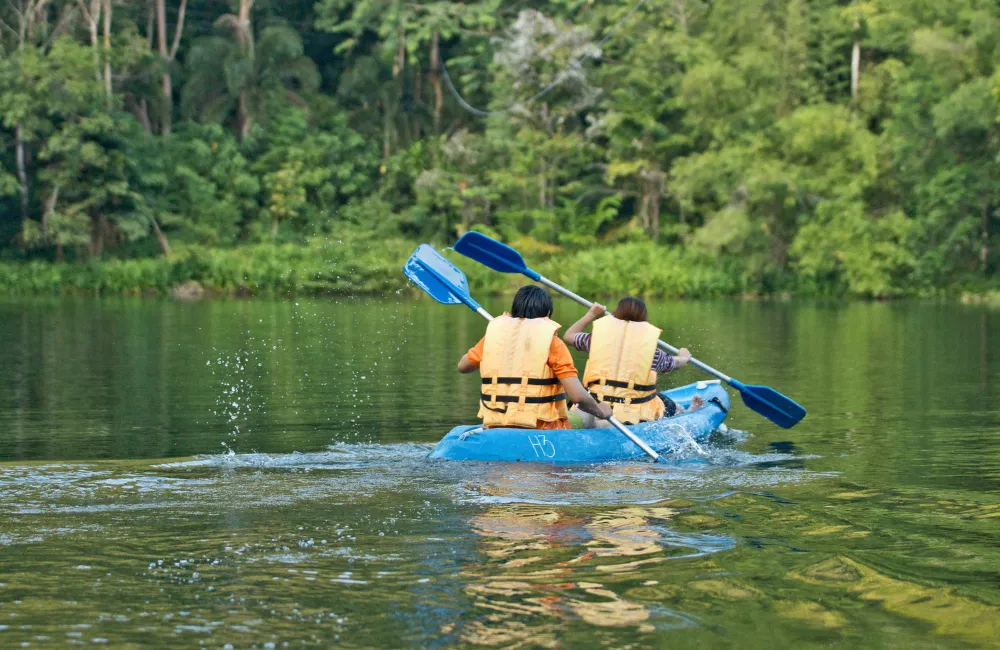
This is not the place for loud nightlife or crowded beach clubs. Koh Yao Noi is for travellers who want privacy, nature, sea views, cycling, kayaking, longtail boat trips and time to slow down.
Koh Yao Noi at a Glance
Best for: Luxury nature escapes, couples, honeymooners, privacy, island scenery and slow travel
Recommended stay: 3–5 nights
Access: By speedboat or ferry from Phuket or Krabi
SERENATA stays: TreeHouse Villas Koh Yao and Paradise KohYao
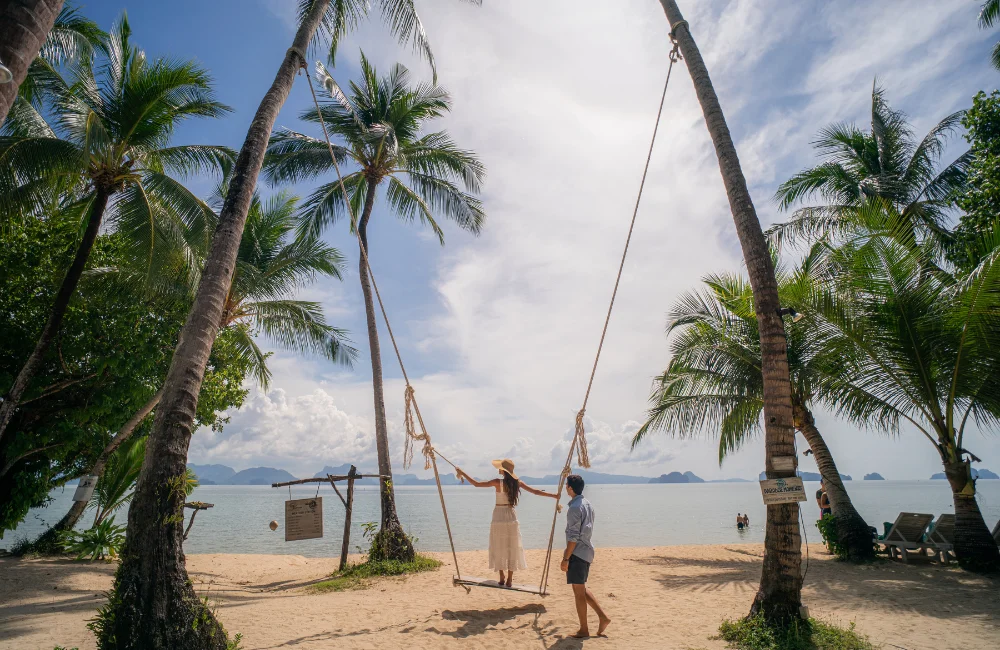
TreeHouse Villas Koh Yao offers a distinctive luxury treehouse experience surrounded by nature, while Paradise KohYao provides a peaceful beachfront resort setting for travellers seeking quiet island comfort.
Don’t miss: Phang Nga Bay island-hopping, sunrise sea views, kayaking, cycling through local villages and private beach relaxation.
Koh Samui: Tropical Island Energy and Wellness
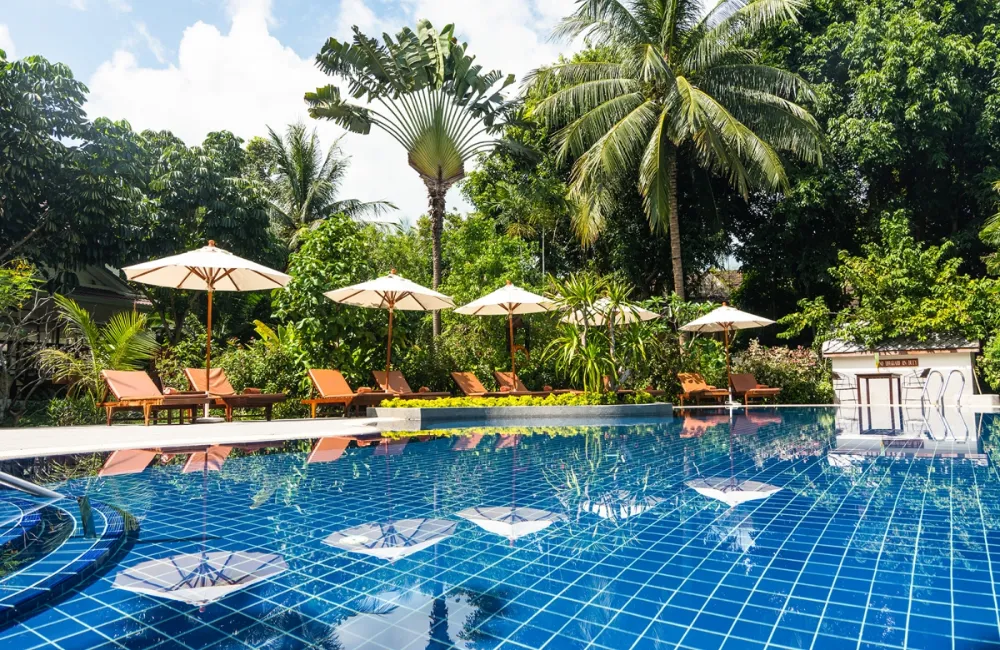
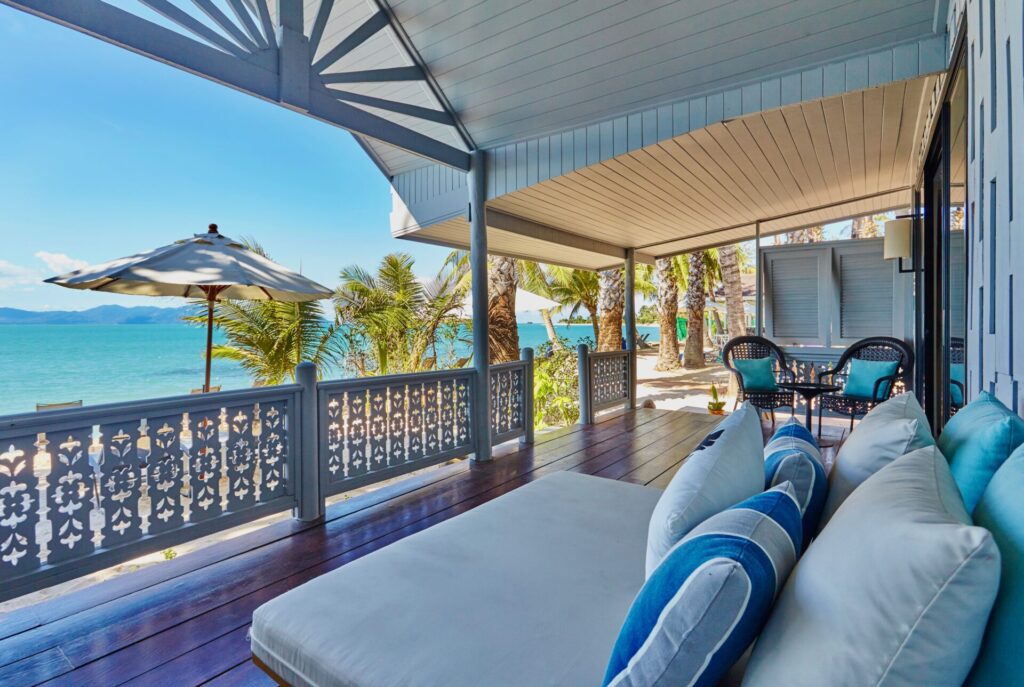
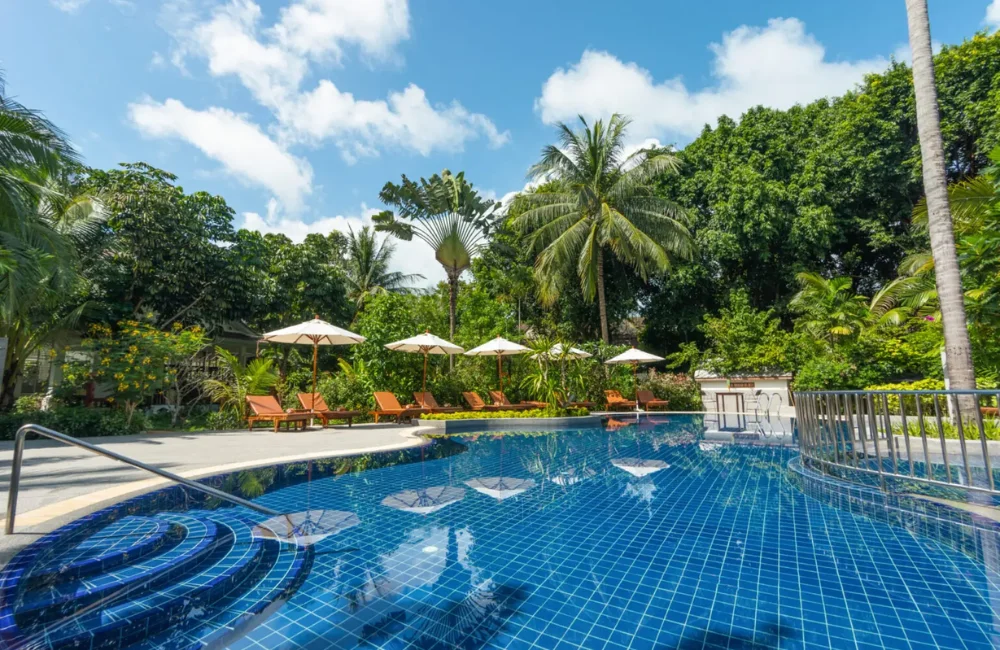
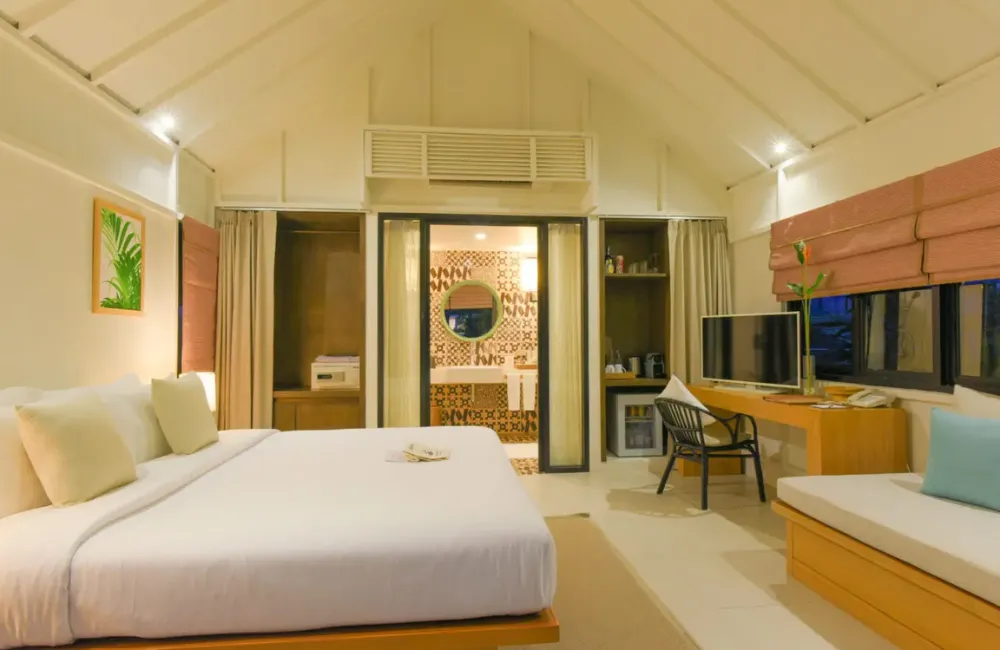
Koh Samui is one of Thailand’s best-known islands, combining beaches, coconut groves, wellness retreats, restaurants, temples and easy access to nearby islands such as Koh Phangan and Koh Tao.
While areas like Chaweng and Fisherman’s Village are lively, Samui also offers quieter corners for wellness, family travel and romantic stays. The island is especially popular with travellers looking for a balance of convenience, beach life and tropical atmosphere.
Koh Samui at a Glance
Best for: Beach holidays, wellness, dining, nightlife, families and island hopping
Recommended stay: 3–5 nights
Access: Direct flights or ferry connections from Surat Thani
SERENATA note: Connect this section to the relevant SERENATA Koh Samui property page if currently active on the website. If the property is not yet public, keep this as a destination guide without a property CTA.
Don’t miss: Ang Thong National Marine Park, Fisherman’s Village, Big Buddha, local seafood and beachside wellness experiences.
Koh Chang: Jungle, Waterfalls and the Eastern Gulf
Koh Chang, or “Elephant Island,” is Thailand’s second-largest island and one of the most naturally dramatic islands in the eastern Gulf. Much of the island’s interior remains mountainous and forested, with waterfalls, jungle trails and viewpoints overlooking the sea.
Koh Chang is less polished than some better-known island destinations, which is part of its appeal. It attracts travellers who enjoy a laidback island atmosphere, diving, snorkelling, waterfalls and beach stays close to nature.
Koh Chang at a Glance
Best for: Nature, waterfalls, relaxed beaches, diving, snorkelling and longer island stays
Recommended stay: 3–5 nights
Access: By road to Trat, followed by ferry to the island
SERENATA note: Connect this section to the relevant SERENATA Koh Chang property page if currently active on the website. If the property is not yet public, keep this as a destination guide without a property CTA.
Don’t miss: Klong Plu Waterfall, White Sand Beach, Klong Prao Beach, Bang Bao village and nearby snorkelling trips.
Thai Culture: What Every Visitor Should Know
Buddhism and Temples
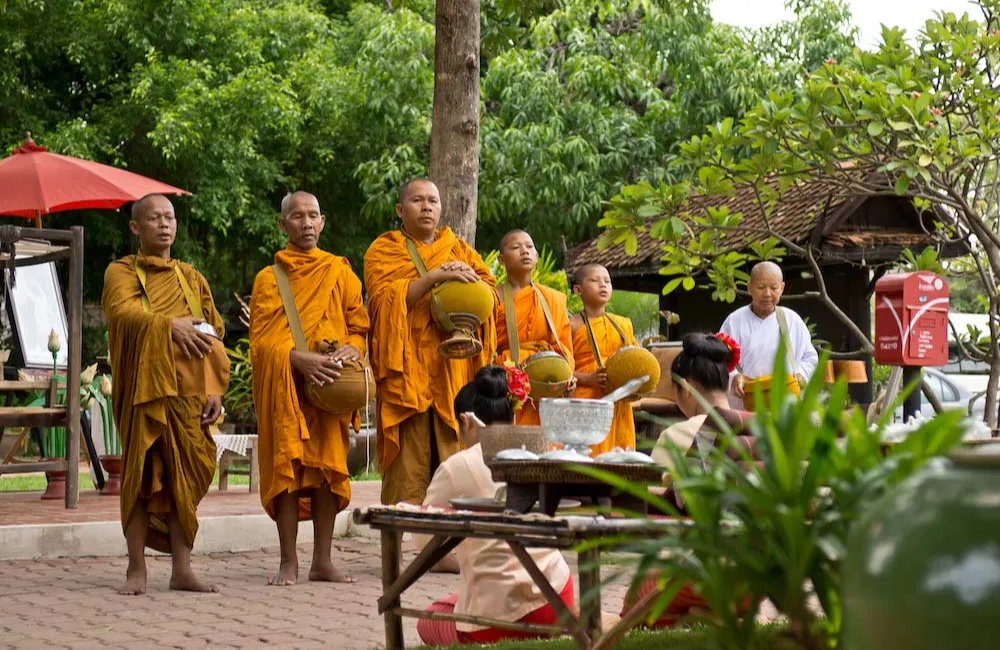
Theravada Buddhism plays a central role in Thai society. Temples, known as wat, are places of worship, community life, education and cultural continuity. When visiting temples, dress respectfully by covering shoulders and knees, remove shoes before entering sacred buildings, and avoid pointing your feet toward Buddha images.
Respect for the Monarchy
The Thai Royal Family is treated with deep respect. Visitors should speak and behave respectfully in all contexts related to the monarchy.
The Wai
The wai is Thailand’s traditional greeting, made by pressing the palms together and slightly bowing the head. Visitors do not need to initiate a wai in every situation, but returning one politely is appreciated.
Festivals
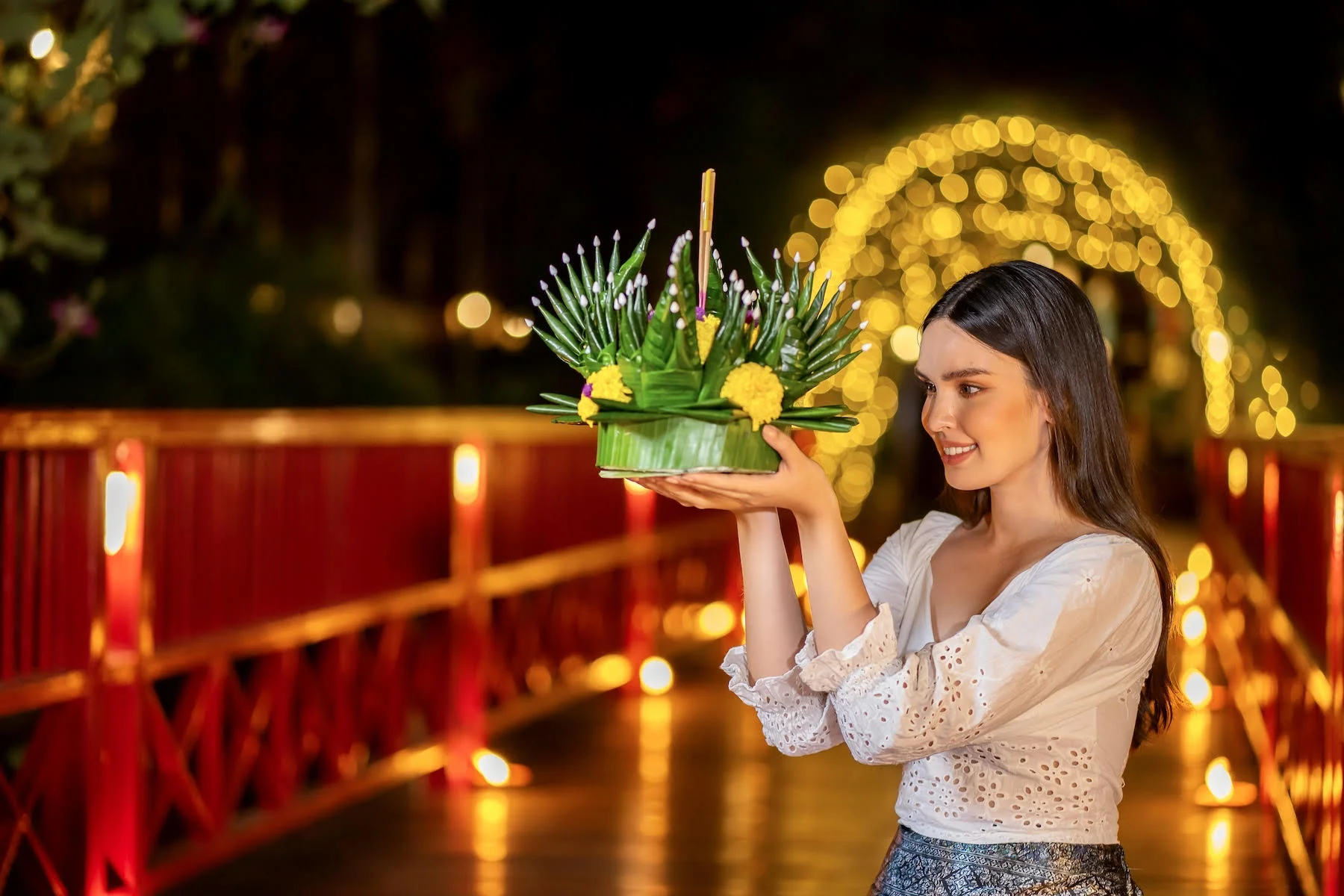
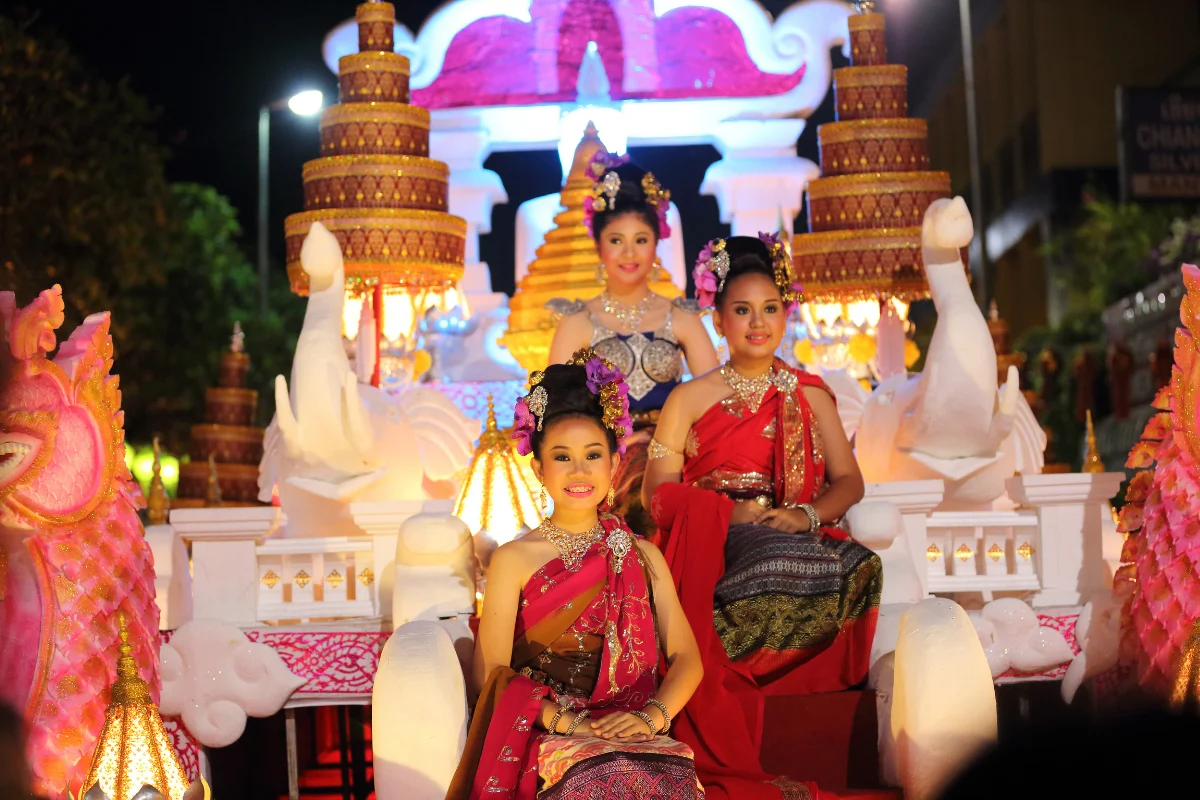
Thailand’s festival calendar is rich and colourful. Songkran, the Thai New Year in April, is famous for water celebrations and family rituals. Loy Krathong, usually in November, involves floating decorated baskets on waterways as an act of gratitude and renewal. Yi Peng in Northern Thailand is known for sky lanterns and a deeply atmospheric celebration of light.
Regional Identity
Thailand is not culturally identical from north to south. Northern Thailand has Lanna traditions, the south has strong maritime and Muslim influences in many areas, the northeast has Isan culture linked to the Mekong region, and central Thailand reflects royal, riverine and commercial histories.
Thai Cuisine: One of the World’s Great Food Cultures
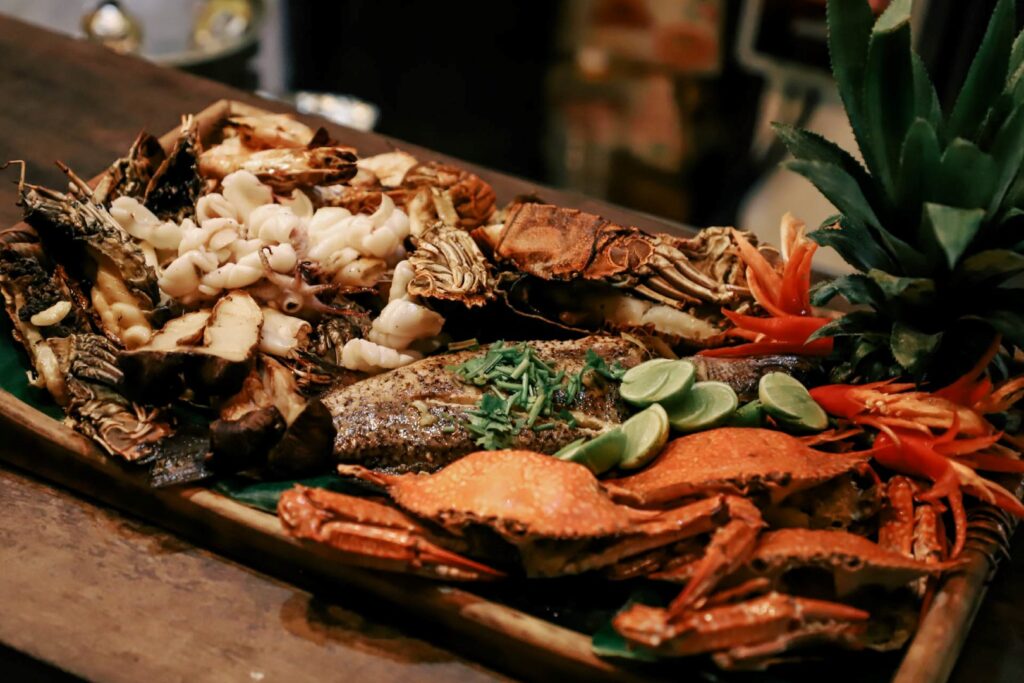
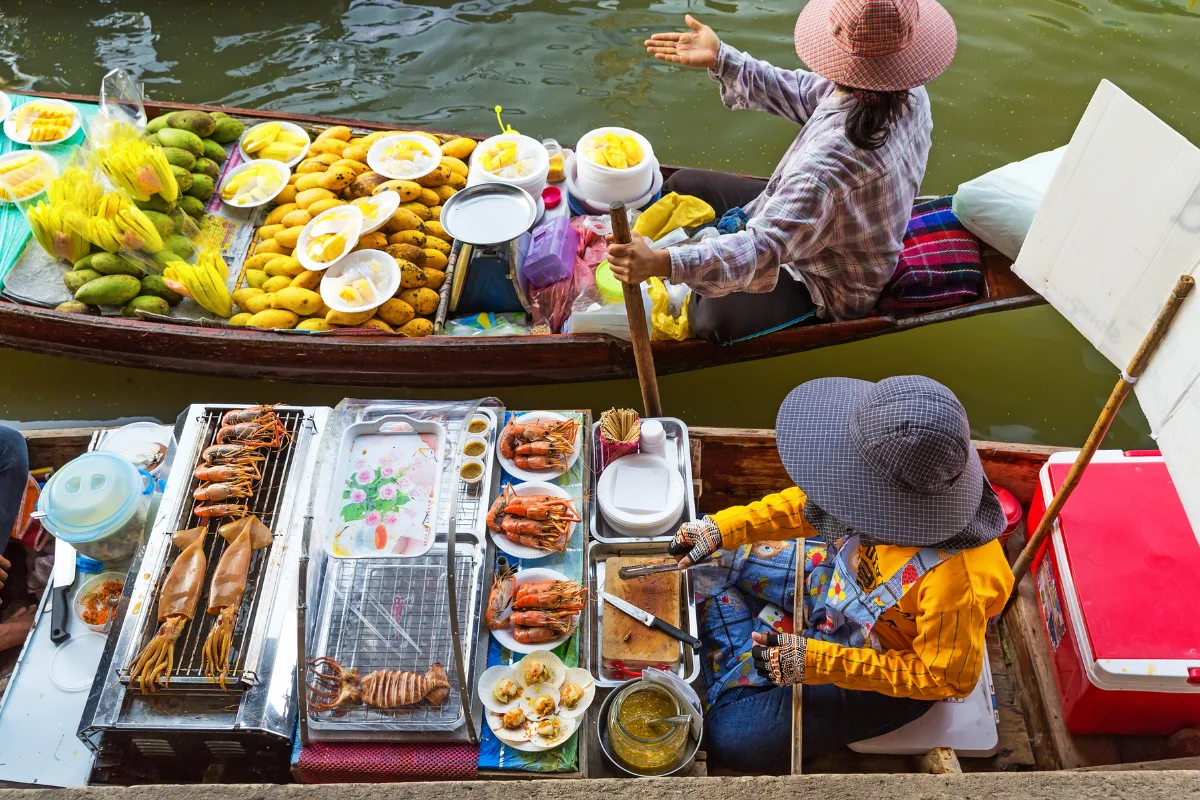
Popular dishes include pad thai, tom yum goong, green curry, red curry, som tum, massaman curry, khao man gai and mango sticky rice. But the deeper joy of Thai food comes from regional variety.
Northern Thai Food
Northern Thailand is known for khao soi, sai ua, nam prik ong, gaeng hung lay and sticky rice. These dishes reflect Lanna, Burmese and mountain-region influences.
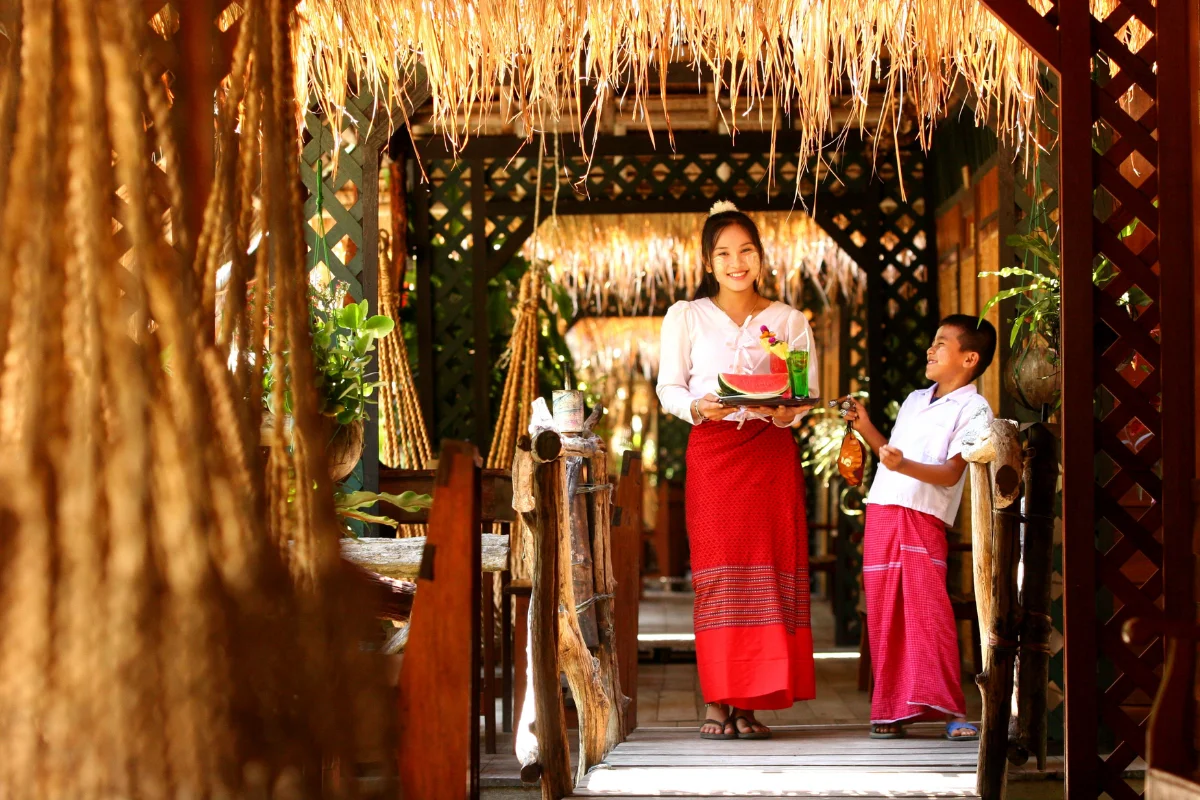
At Buatong Restaurant & Bar at Lampang River Lodge Resort, guests can experience northern flavours in a relaxed Lanna-style setting.
Central Thai Food
Central Thailand is home to many dishes familiar to international visitors, including green curry, tom yum, pad kra pao and river fish dishes. Bangkok, in particular, offers everything from humble street food to Michelin-recognised dining.
Southern Thai Food
Southern Thai cuisine is often bold, spicy and aromatic, using turmeric, coconut, seafood and fresh herbs. Curries are typically more intense than in central Thailand.
Street Food
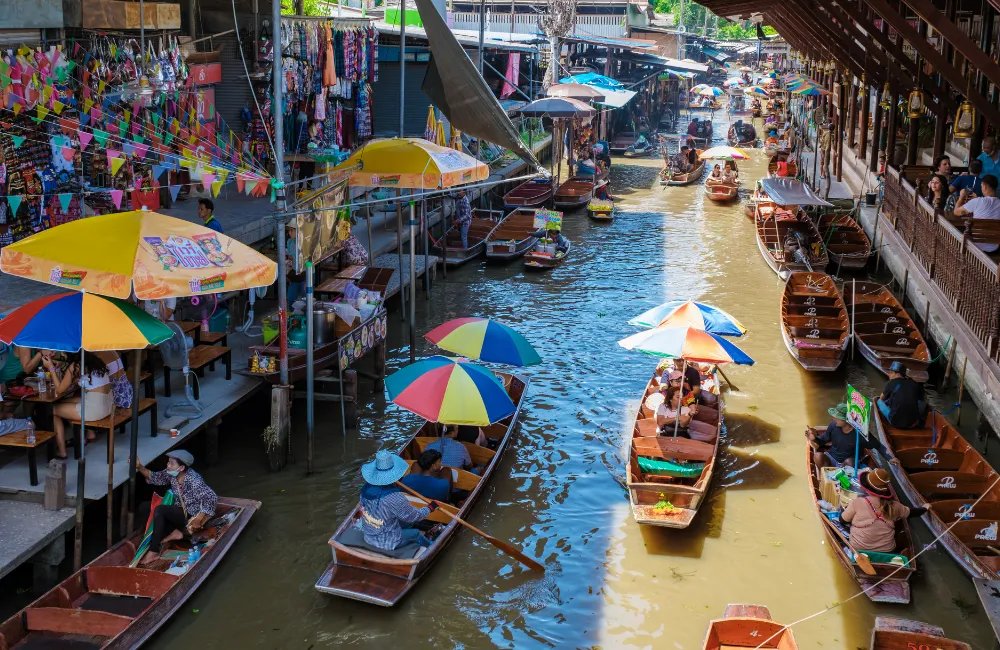
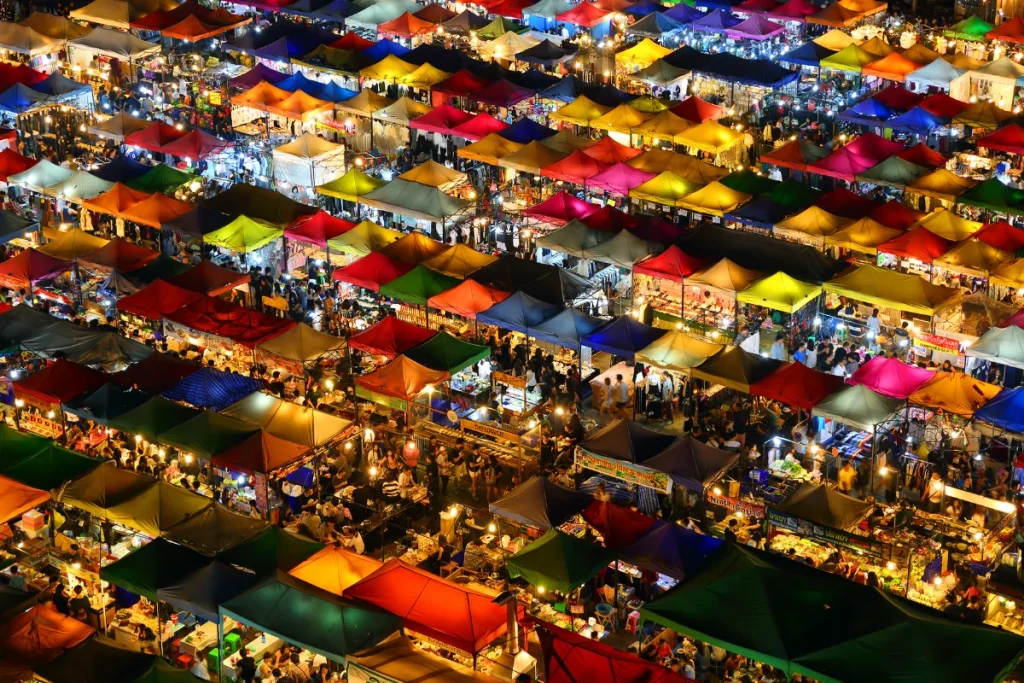
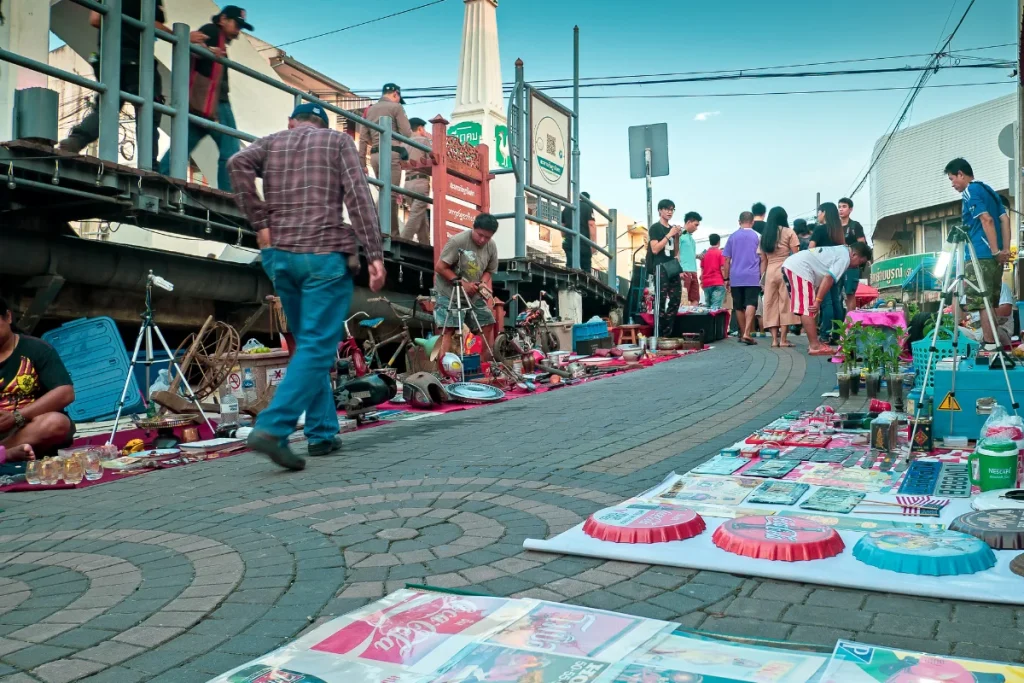
Street food is part of daily life in Thailand. Markets, roadside stalls and local shophouses offer some of the country’s most memorable meals. Travellers should choose busy stalls with high turnover, fresh ingredients and visible cooking.

Wellness, Spa and Medical Travel in Thailand
Thailand has long been a global destination for wellness. The country’s appeal comes from a natural combination of warm hospitality, tropical climate, traditional healing, spa culture, healthy cuisine, meditation and world-class hotels.
Thai Massage
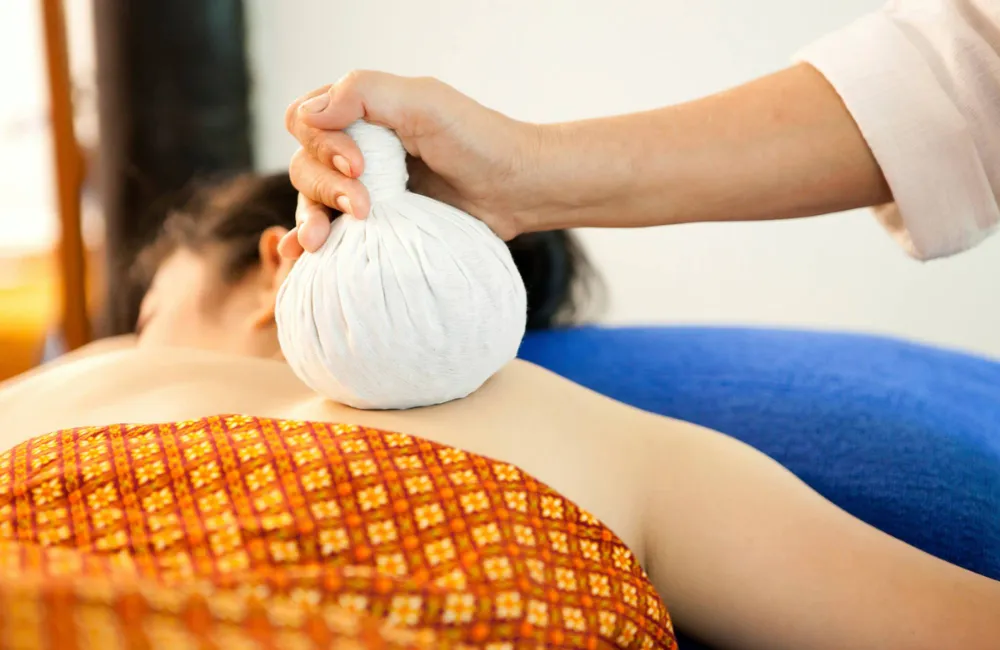
Thai massage is a traditional therapeutic practice combining assisted stretching, pressure-point work and rhythmic movement. It is often more active than Western oil massage and is widely available throughout the country, from local massage shops to luxury resort spas.
Meditation and Mindfulness
Buddhist temples and retreat centres across Thailand offer meditation experiences for both beginners and experienced practitioners. Northern Thailand, in particular, has a strong reputation for meditation retreats and quiet spiritual travel.
Spa and Resort Wellness
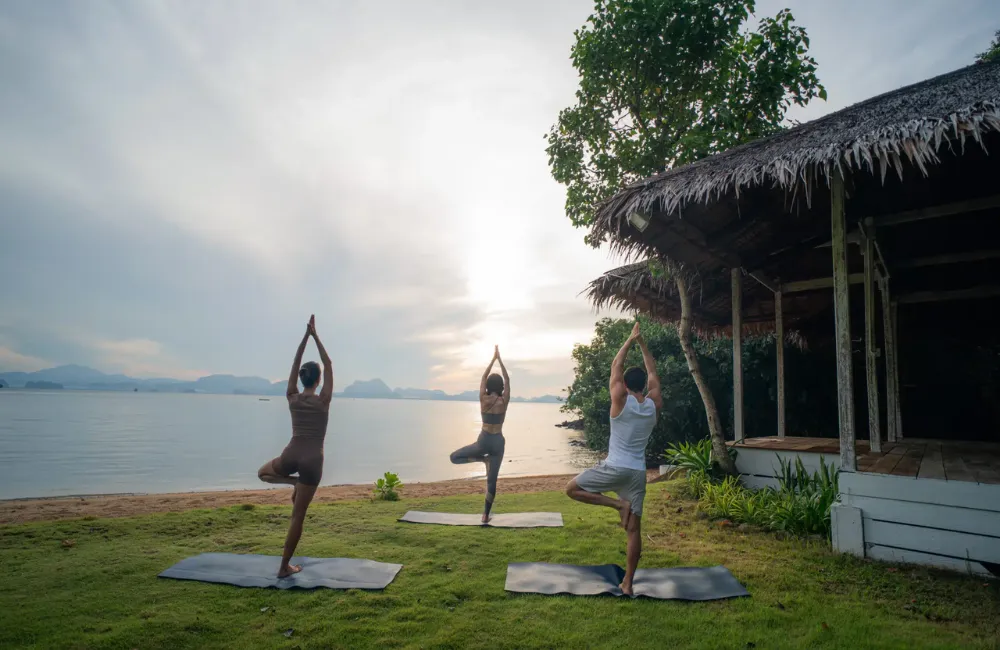
Thailand’s resort wellness scene includes herbal therapies, aromatherapy, yoga, sound healing, detox programmes, sleep-focused retreats and nature-based relaxation. SERENATA properties naturally support this style of travel through riverside, mountain, beach and island settings.
Medical Travel
Bangkok is one of Asia’s leading medical travel hubs, with several internationally recognised hospitals and JCI-accredited facilities. Many travellers combine check-ups, procedures or specialist consultations with a recovery stay in Bangkok or a relaxing extension in destinations such as Hua Hin, Kanchanaburi or the islands.
Outdoor Adventures and Things to Do in Thailand
Thailand is ideal for travellers who want more than sightseeing. Its geography supports soft adventure, wildlife encounters, water activities, cycling and nature-based exploration.
River and Jungle Experiences
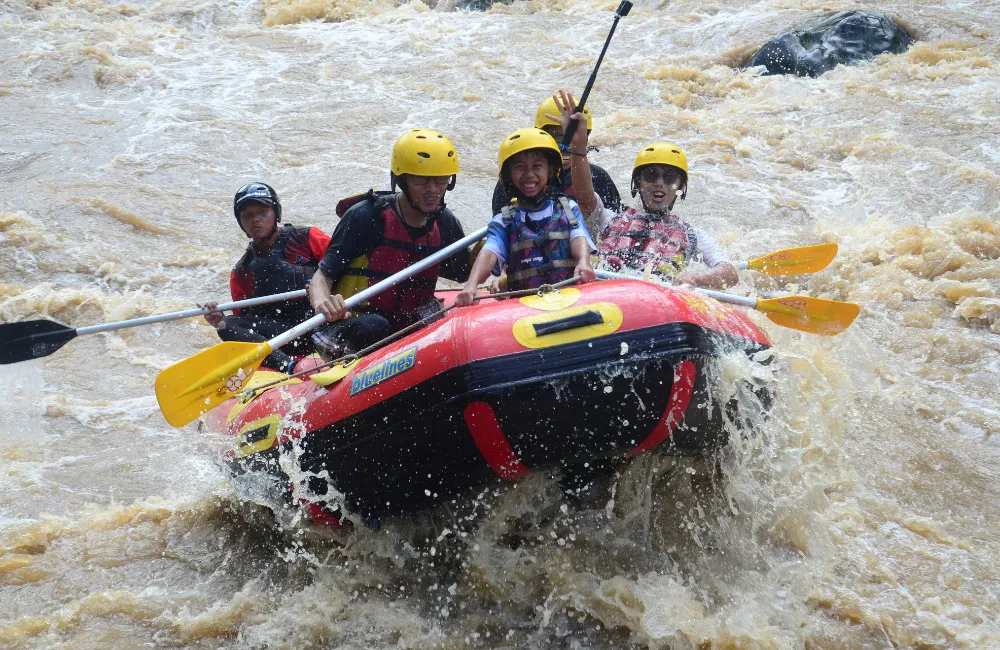
Kanchanaburi is one of the best regions for river and jungle travel. Activities include boat journeys, kayaking, waterfall visits, cave exploration, hiking and nature photography.
Cycling
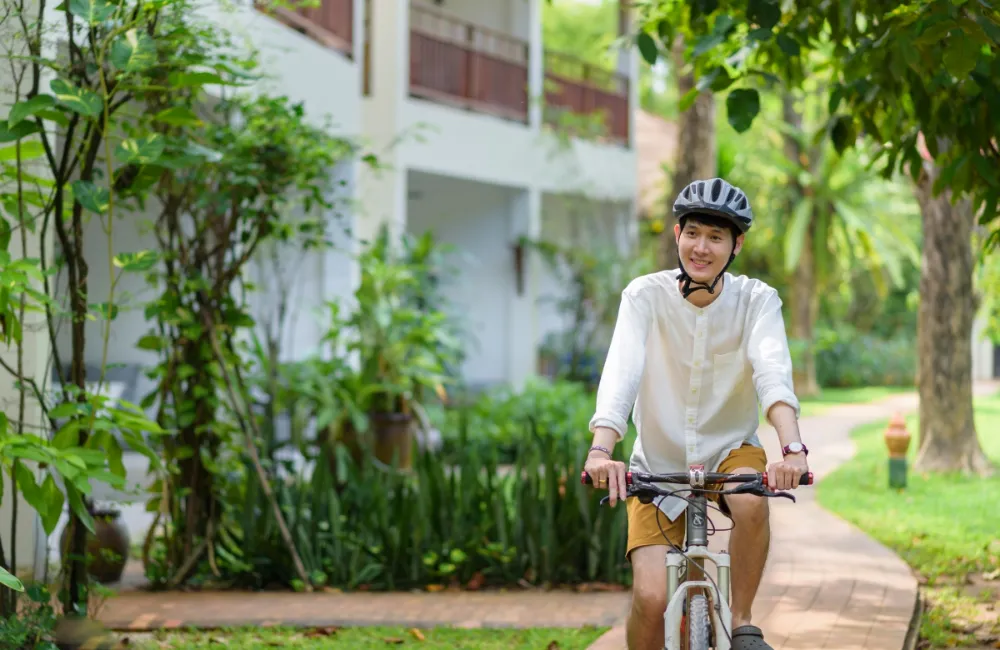
Sukhothai is one of Thailand’s best destinations for easy cultural cycling. Lampang and Kanchanaburi also offer scenic routes for travellers who enjoy slower exploration.
Ethical Elephant Encounters
Elephant experiences should be chosen carefully. Travellers should favour observation-based sanctuaries that avoid riding, forced performances and stressful interactions. Ethical encounters focus on elephant welfare, education and respectful observation.
Snorkelling and Diving
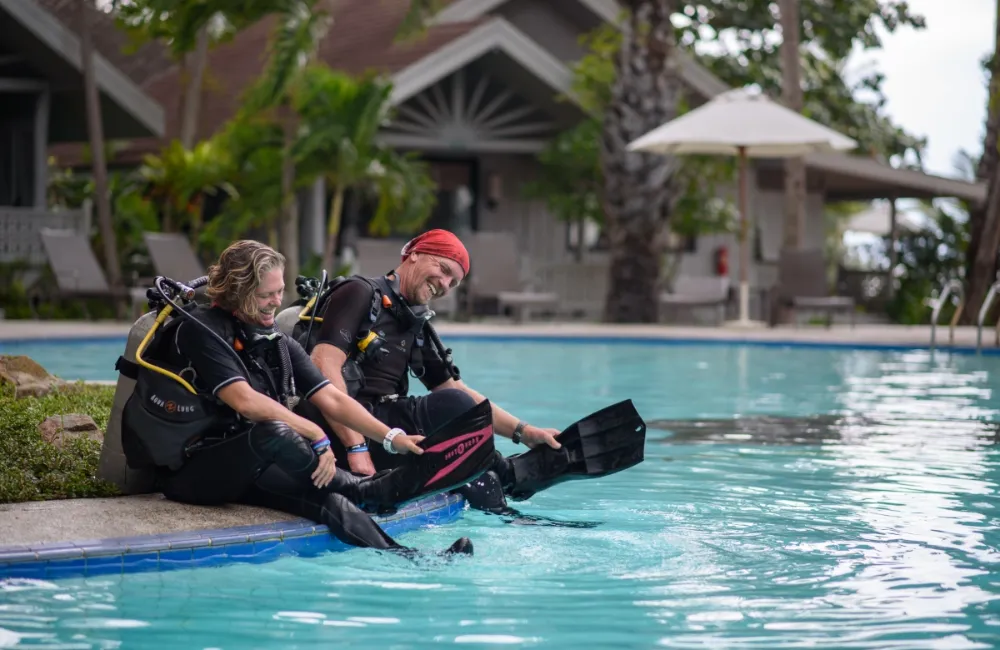
Thailand offers excellent marine experiences around Koh Tao, Koh Chang, Koh Samui, the Andaman Sea islands and Phang Nga Bay. Conditions vary by season, so local advice is important.
Muay Thai
Muay Thai is Thailand’s national martial art and an important cultural tradition. Training gyms across the country welcome beginners, fitness travellers and experienced fighters.
Rock Climbing
Railay and Krabi are internationally known for limestone rock climbing, with routes for many skill levels and dramatic sea views.

Getting Around Thailand
Thailand’s transport network is well developed for travellers. Domestic flights, trains, roads, ferries and private transfers make it possible to combine several regions in one journey.
By Air
Domestic flights connect Bangkok with Chiang Mai, Chiang Rai, Sukhothai, Koh Samui, Phuket, Krabi, Surat Thani, Trat and other destinations. Flights are useful for longer routes or multi-region itineraries.
By Train
Thailand’s rail network connects Bangkok with the north, northeast and south. Overnight train journeys, especially towards Chiang Mai, are a classic travel experience. The train to Kanchanaburi and Nam Tok is scenic but slower than road transfer.
By Road
Private transfers, rental cars and intercity coaches are practical for destinations such as Kanchanaburi, Hua Hin, Sukhothai and parts of Northern Thailand. Travellers driving themselves should carry a valid international driving permit.
In Bangkok
The BTS Skytrain and MRT subway are efficient for many parts of Bangkok. Taxis, ride-hailing services and river boats help fill the gaps.
To the Islands
Ferries and speedboats connect the mainland to Koh Samui, Koh Chang, Koh Yao Noi and other islands. Schedules vary by season and weather.
SERENATA tip: Many SERENATA properties can assist with airport transfers, inter-property travel and local excursions, making multi-destination Thailand journeys easier to plan.
Practical Thailand Travel Tips
Money
Thailand uses the Thai Baht. ATMs are widely available, and cards are accepted at hotels, shopping malls and many restaurants. Cash is still useful for markets, local transport, street food and rural areas.
Tipping
Tipping is appreciated but not always expected. In restaurants without a service charge, around 10% is generous. Small tips for porters, drivers, housekeeping and spa therapists are common in tourism settings.
Dress Code
Light, breathable clothing works well in Thailand’s climate. For temples and royal sites, cover shoulders and knees. Comfortable walking shoes and sandals are useful.
Health and Safety
Thailand is generally a safe country for travellers. Normal precautions apply: watch belongings in crowded areas, use licensed transport, follow local safety advice and check current travel advisories before departure.
Connectivity
Mobile data is easy to arrange with local SIM cards or eSIMs. Coverage is strong in cities and most tourism areas, although remote mountain and jungle locations may have weaker signal.
Visa and Entry Rules
Visa rules can change. Travellers should always check the latest entry requirements with official Thai government sources or their nearest Thai embassy before travelling.
FAQ ABOUT THAILAND
Thailand is famous for Buddhist temples, street food, tropical beaches, ancient kingdoms, warm hospitality, wellness experiences, Thai massage, island escapes and cultural destinations such as Bangkok, Sukhothai, Northern Thailand and Kanchanaburi’s River Kwai.
The best time to visit Thailand is generally from November to February, when the weather is cooler and more comfortable in many regions. This period is ideal for Bangkok, Kanchanaburi, Sukhothai, Northern Thailand, Hua Hin and many island destinations.
Most travellers should plan at least 10 to 14 days in Thailand to experience more than one region. A 7-day trip can combine Bangkok with Kanchanaburi or Hua Hin, while two weeks allows a richer journey through culture, nature and island destinations.
Thailand is generally considered a safe destination for travellers. Normal precautions are still important, especially in crowded areas, nightlife zones, road travel and unfamiliar places. Travellers should also check current government travel advisories before departure.
Thailand’s currency is the Thai Baht. Credit cards are widely accepted at hotels, malls and many restaurants, while cash is useful for markets, street food, taxis, tips and rural areas.
Thai is the official language. English is widely used in hotels, tourism businesses, airports, shopping centres and major cities, but less common in rural areas.
When visiting temples, cover your shoulders and knees, remove your shoes before entering sacred buildings, and dress modestly. Many popular temples offer sarongs or cover-ups for visitors who need them.
Must-try Thai dishes include pad thai, tom yum goong, green curry, red curry, som tum, massaman curry, khao man gai, mango sticky rice and khao soi in Northern Thailand.
Thailand has strong medical facilities, especially in Bangkok, which is one of Asia’s leading medical travel hubs. Several internationally recognised hospitals in Bangkok have JCI accreditation and serve both Thai and international patients.
Lanna culture refers to the historical kingdom and cultural identity of Northern Thailand, especially around Chiang Mai, Chiang Rai and Lampang. It is expressed through architecture, cuisine, dialect, temple design, craft traditions and local festivals.
The best Thai island depends on travel style. Koh Yao Noi is ideal for quiet nature and privacy, Koh Samui offers beach life and wellness, Koh Chang is strong for jungle and waterfalls, and Koh Tao is popular for diving.
Kanchanaburi is around 2.5 to 3 hours from Bangkok by road. Travellers can use private transfers, buses or the scenic train route via Nam Tok. SERENATA’s Kanchanaburi properties can assist with transfers for guests.
—